You’re reading CX Stories, a newsletter about customer experience innovation. If you want to join the 6000+ lovely people who receive it every month, just click the button below.
If you asked people who know me to say three things about me – excluding my obsession with customer experience – they’d probably say 1) he supports Arsenal 2) he’s from Essex 3) he bangs on about history a lot.
That last one explains why my least favourite phrase is ‘the world is changing faster than ever’. My second-least favourite is ‘things will never be the same again’.
As someone who studied history at university, I’m a particularly annoying person to be around when things like this are said. I’ll say things like ‘what about the Romans, and their massive-scale water infrastructure?’; ‘how about Henry VIII, changing the religion of a country overnight?’; ‘what about the industrial revolution, going from horses to aeroplanes, pantries to fridges, no TV to, well, TV?’
I’m great to have at dinner parties.
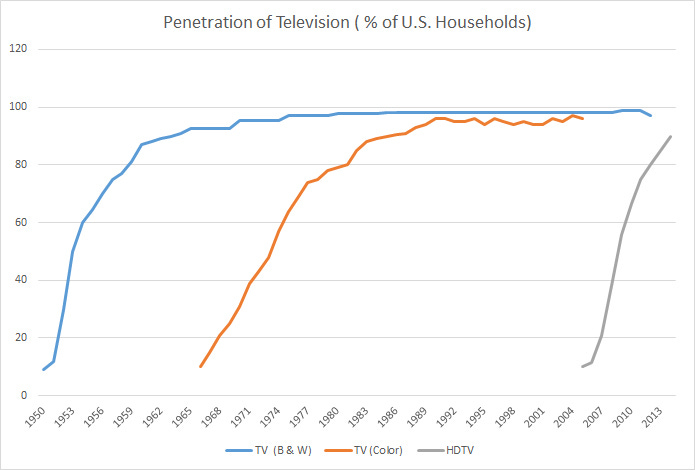
The temptation can be to think that everything is new, and when new things come along, that everything needs re-thinking. Whereas looking back to the past can help to understand the things that have always been true, and that will continue to be true in the years to come, giving some much-needed certainty amongst the change that sails around us.
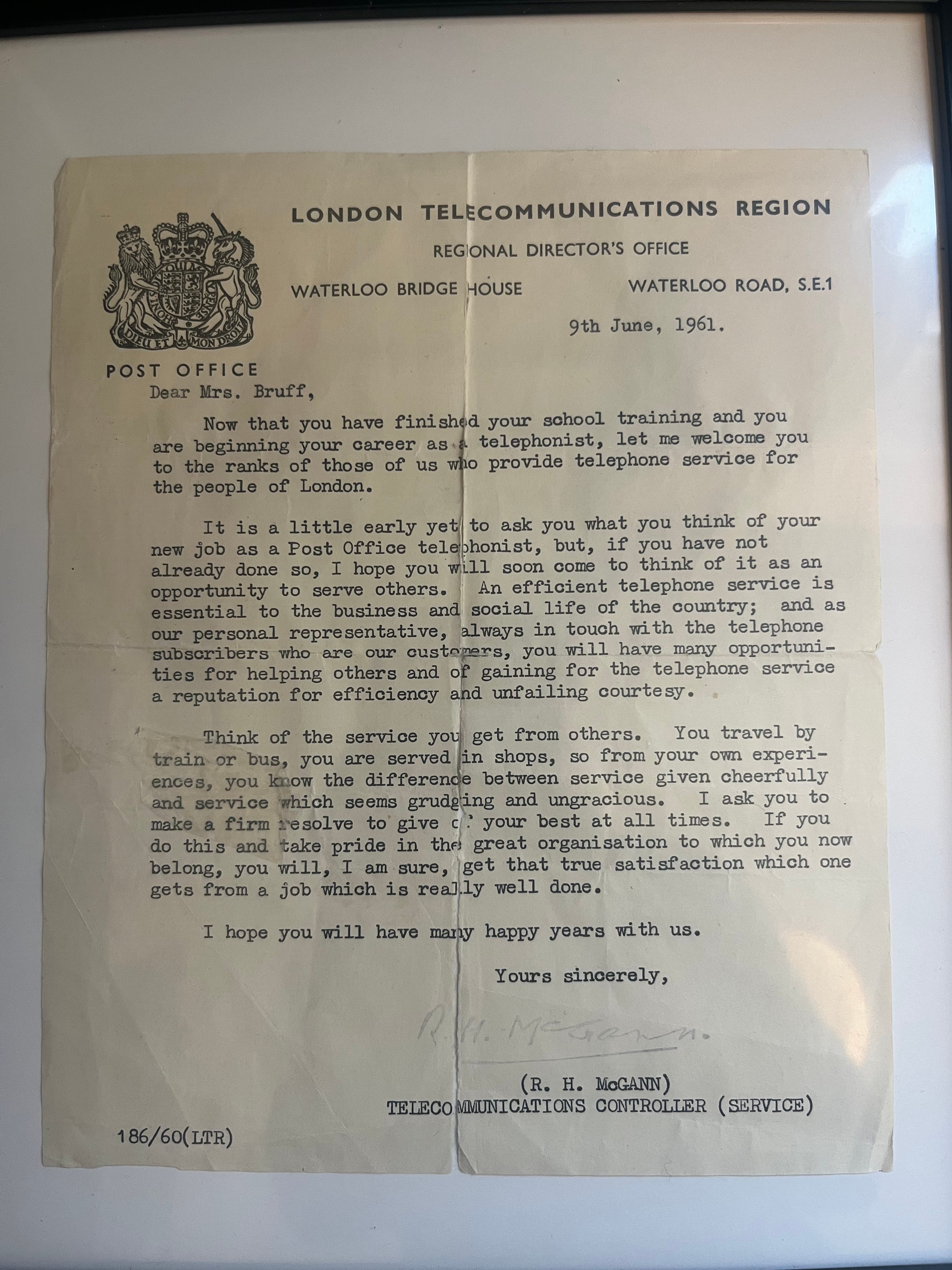
Take, for example, the letter my (amazing) Nan received on the day she joined the Telephone Exchange Service in 1961, making clear the importance of putting yourself in the customers’ shoes, and why the role was so important.
‘Think of the service you get from others. You travel by train or bus, you are served in shops, so from your own experience, you know the difference between service giving cheerfully and service which seems grudging and ungracious’
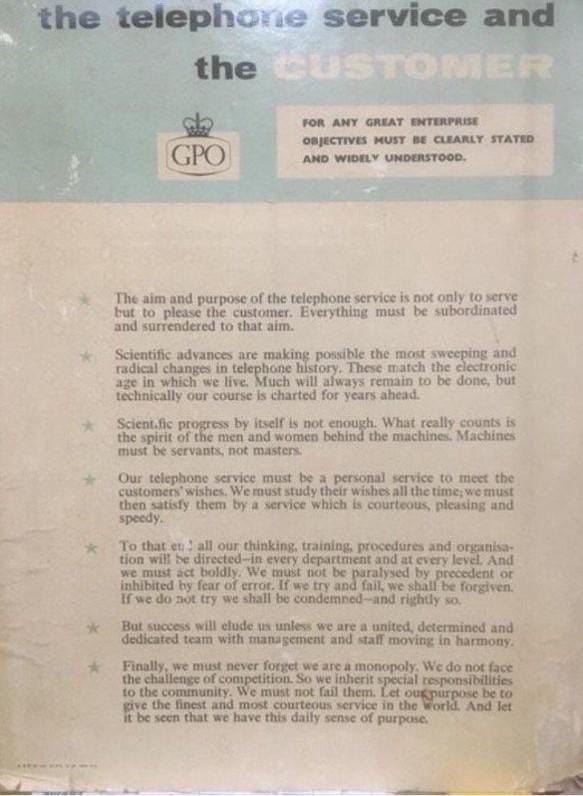
This wasn’t just one inspired leader’s view of how things should happen. It was backed up by the Telephone Exchange Customer Charter, which I love for three reasons.
- ‘For any great enterprise, objectives must be clearly stated and widely understood’
- ‘The aim and purpose of the telephone exchange is not only to serve but to please the customer. Everything must be subordinated and surrender to that aim’
- ‘Scientific progress in itself is not enough. What really counts is the spirit of the men and women behind the machine. Machines must be servants, not masters.’
Sound familiar?
When you look back at what was driving organisations in the past, you see that the things that matter to customers, and the things successful organisations build their business around, really haven’t changed that much at all.
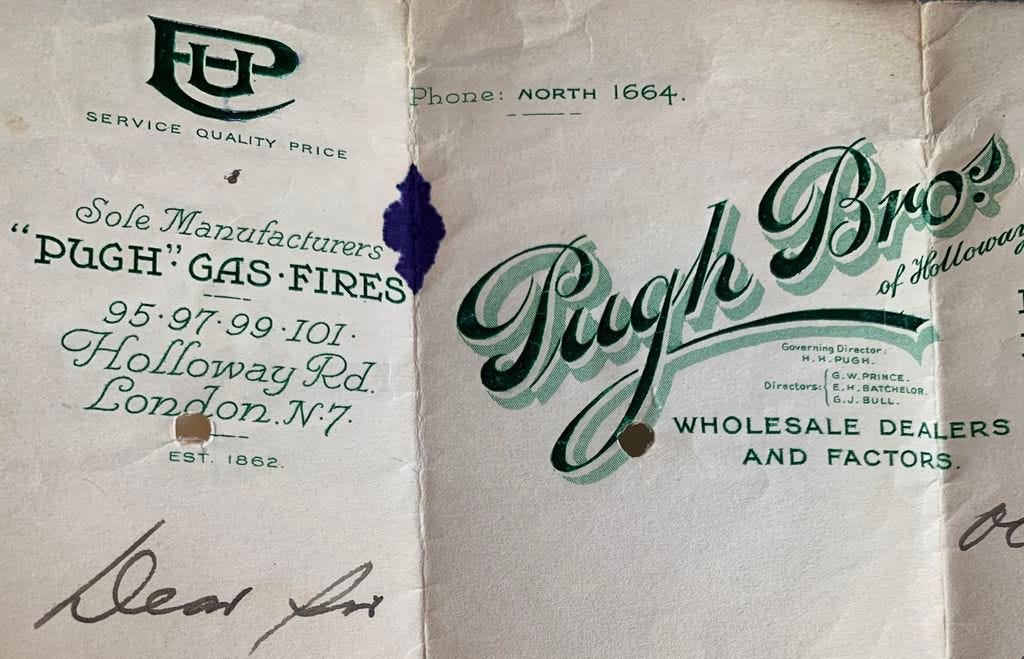
Take this from Pugh Bros, a metalworks wholesaler in Islington, London. Three-word ‘company values’ and marketing taglines have been all the rage in the past decade – just as they were in the 1960s:
‘Service, Quality, Price’
Or this publicly stated customer policy, advertised in a newspaper in 1934, for a company also in London.
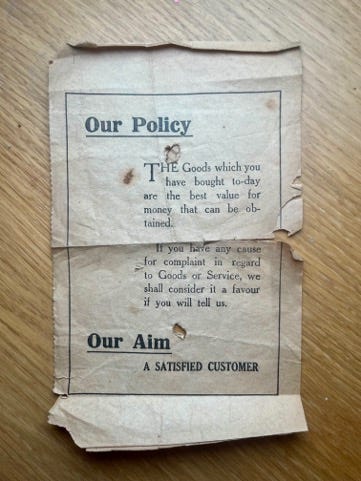
I particularly love this one for two reasons.
First, that simple aim: ‘A satisfied customer’, as true in 1934 as it is nearly a hundred years later: revenue only comes from earning customer decisions in your favour. The products and services organisations offer don’t make any money sat on the shelves; it’s only by a customer choosing to buy it or use it that the company makes money.
So, having satisfied customers? That means having sustainable revenue. So simple, yet so easily forgotten.
But I also love the line about complaints.
‘If you have any cause for complaint… we shall consider it a favour if you will tell us.’
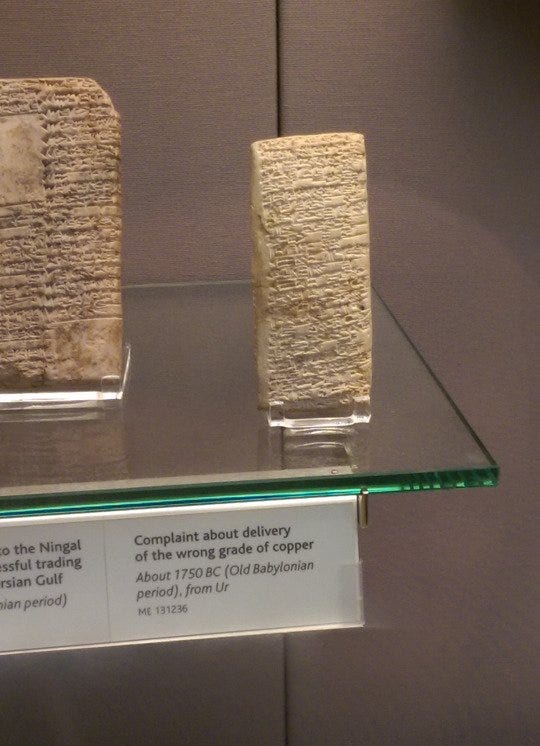
The ‘oldest known complaint’ has been shared about a thousand times on social media, and in my book (have I mentioned I’ve written a book?), but is worth showing again as a reminder that wherever there are customers, they’ll be things that go wrong.
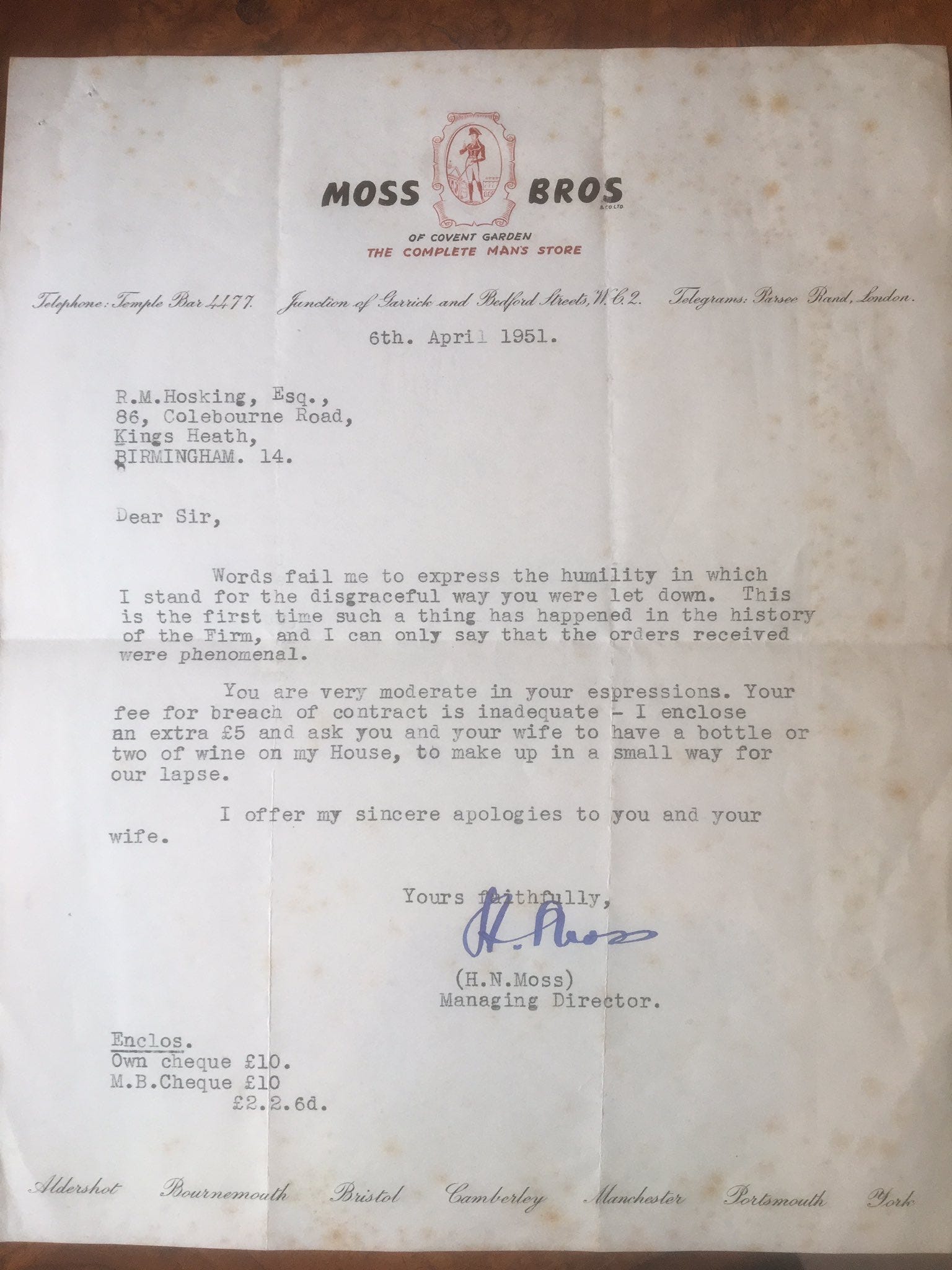
But more interestingly, I think, is this letter that reminds us that how you deal with customer problems – owning it, explaining it, resolving it – was as true 75 years ago as it will be in the year 2100.
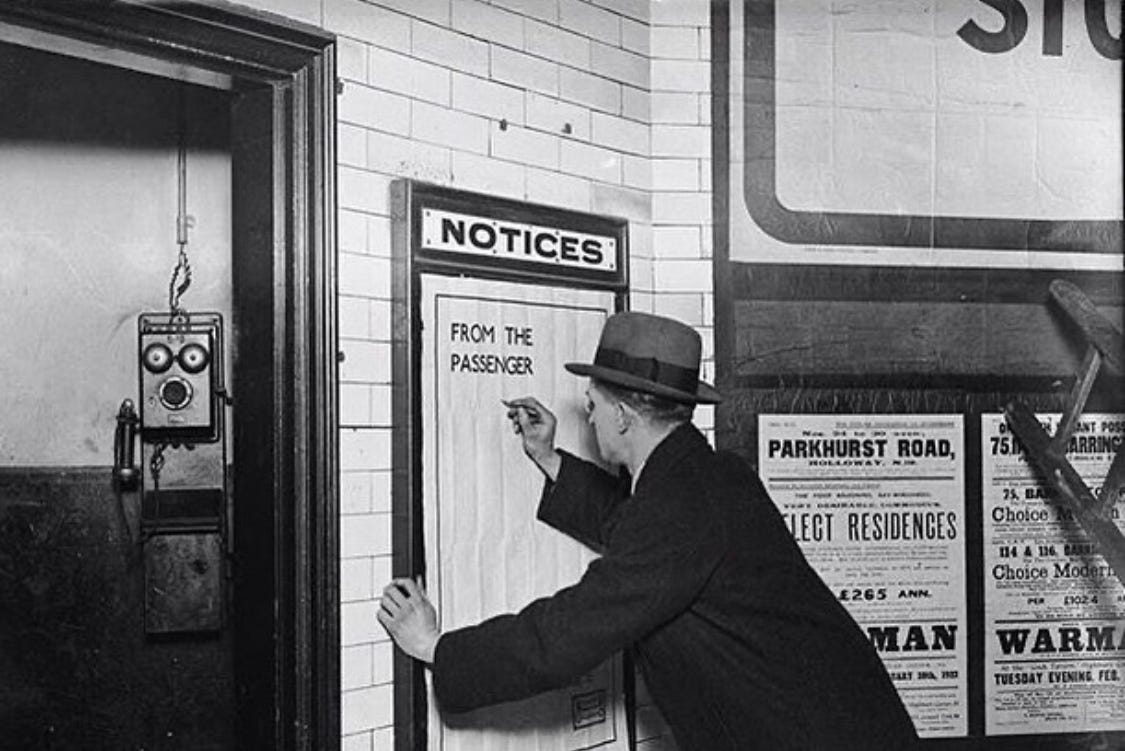
One thing that has changed, though? How we collect customer feedback. And given what I suspect might be written on this board if it existed today, maybe it’s one change for the better.
Thanks for reading this article, I really hope you enjoyed it. You can subscribe to my monthly newsletter below, find me in picture form on Instagram @johnjsills, or in work mode at The Foundation and LinkedIn.
 johnJsills