You’re reading CX Stories, a newsletter about customer experience innovation. If you want to join the 6000+ lovely people who receive it every month, just click the button below.
You know that thing where you’ve been thinking about something, and suddenly you see it everywhere?
Like if you’re thinking of buying a new car, say a dark grey Volkswagen, and without warning, they’re everywhere you look. You can’t move for grey Volkswagens, as if VW are undertaking some kind of guerrilla marketing targeted only at you (or ‘being on instagram’, as it’s called now).
This is Frequency Bias – and it’s what’s been happening to me of late. Except rather than nice cars, I’ve been surrounded by totally pointless signs.
But they have served one purpose – to remind me of the importance of being proactive for your customers, taking on the effort before they ask you to.
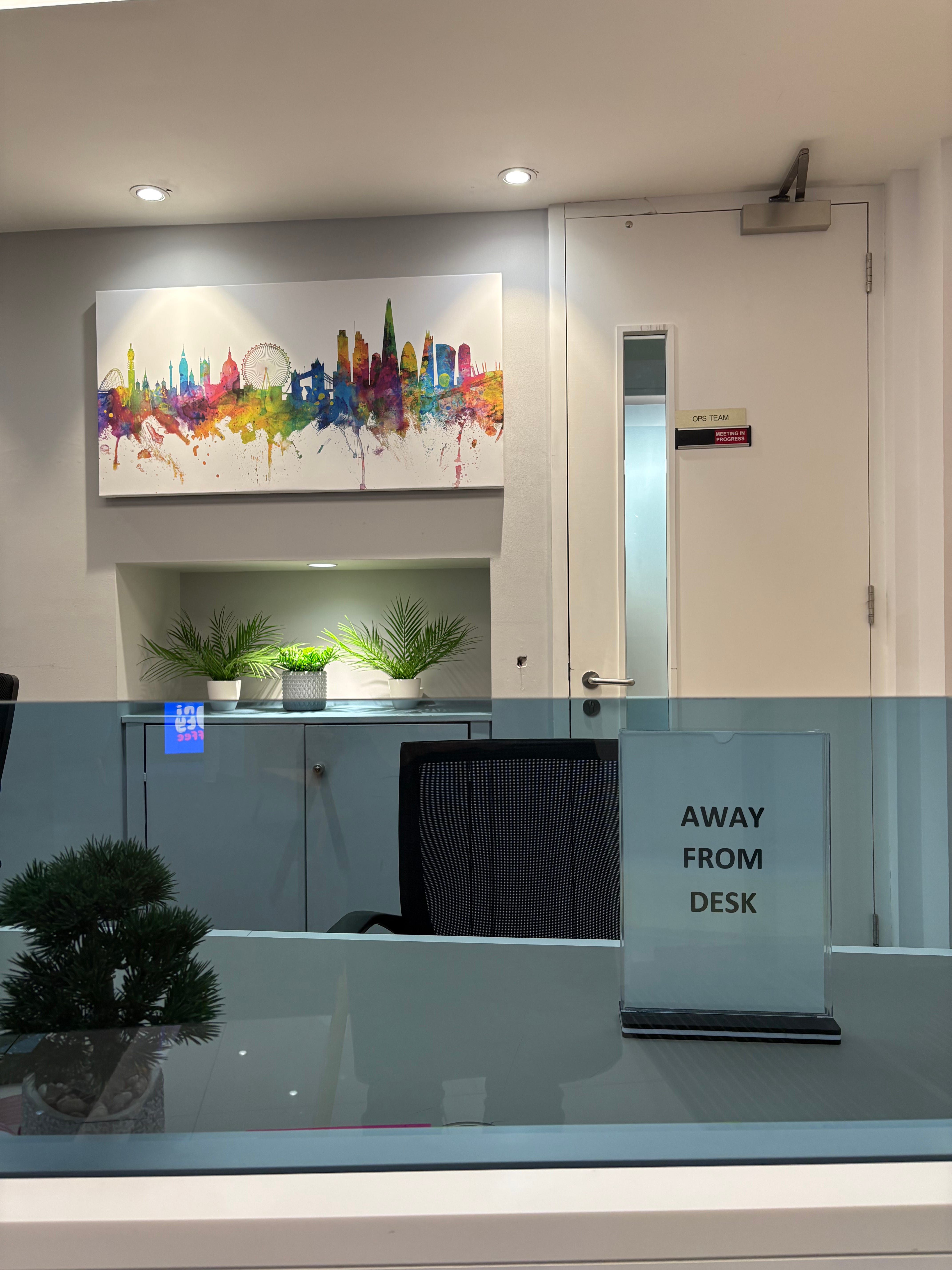
The first one was at my physio (definitely not age-related, let’s call it a sports injury), which gave me precisely the information I could see for myself, and absolutely nothing more. Like a reverse Escape Room, where you have to try and work your way in.
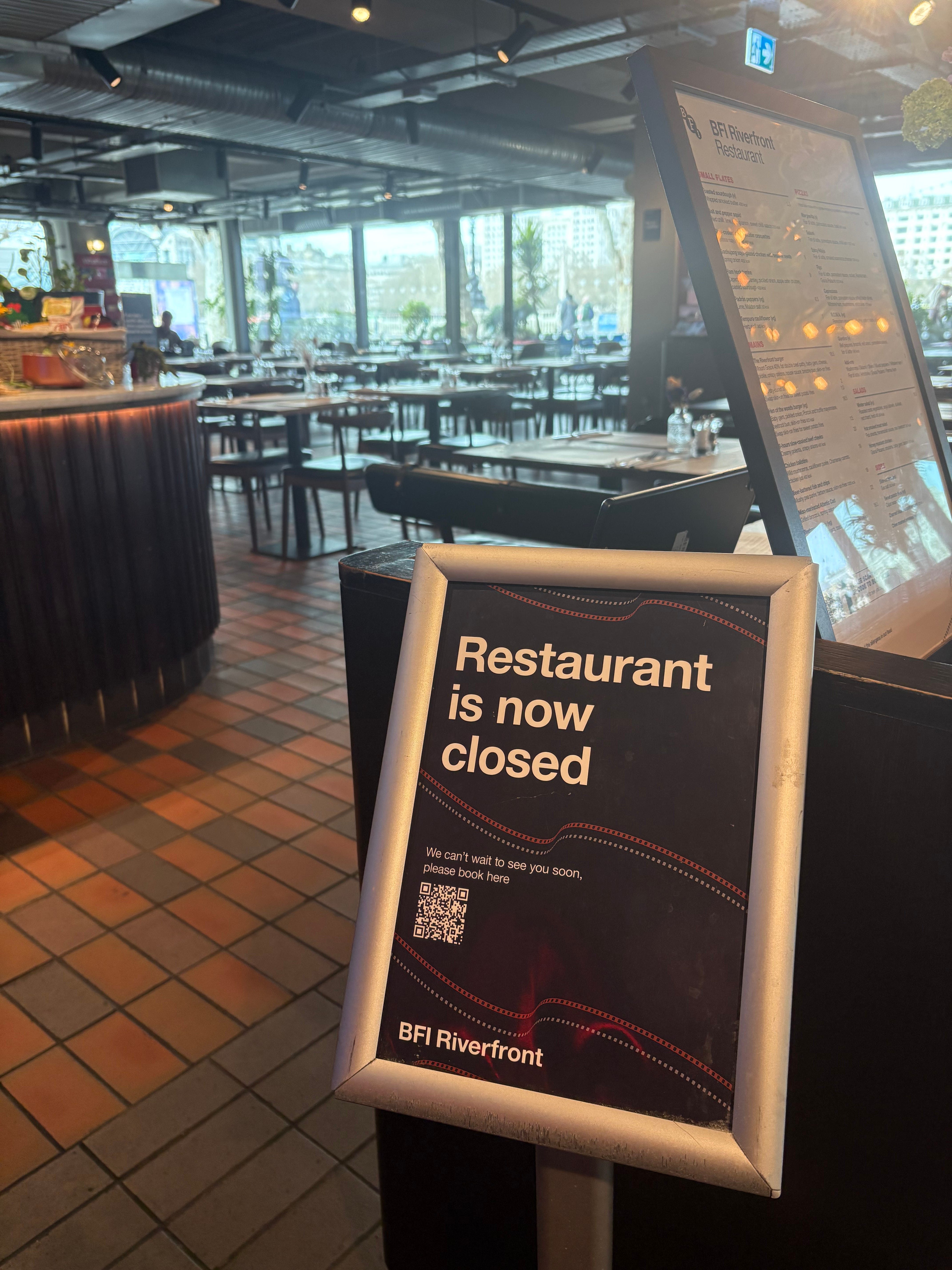
Not long after that, I found myself in the BFI cafe, a great spot on the South Bank. I was meeting a friend at midday, and so at 11.57am, went to the restaurant to grab a table. Being told it was closed was helpful; Being told when it might re-open would have been even more so.
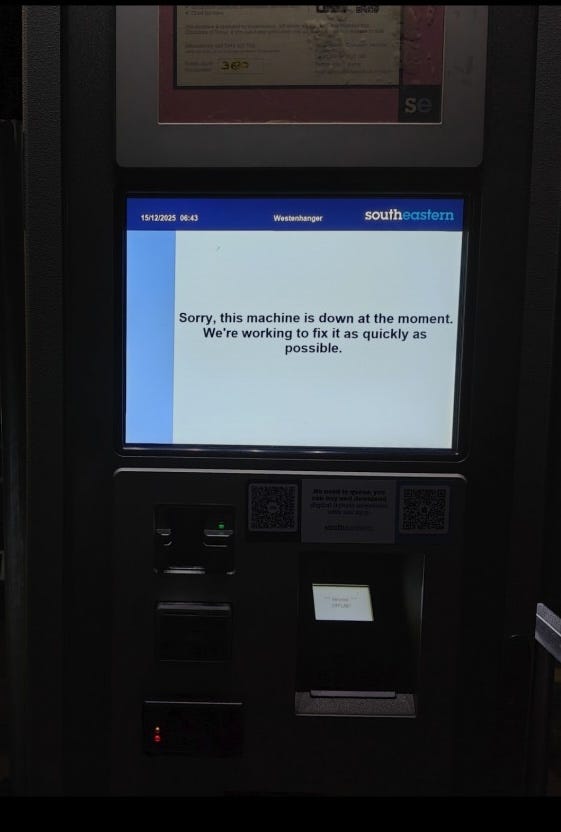
Having shared these on LinkedIn, Joe Bolger got in touch with one of his own, of the only train ticket machine at his unmanned local station. On the screen, confirmation from the machine that it’s ‘down at the moment’ (emotionally? on its luck? in the dumps?), with a line letting him know that it will be fixed at some point soon – but crucially, no advice on whether or not he could get on the train without a ticket.
When you see a company being genuinely proactive, it feels great. And many companies do.
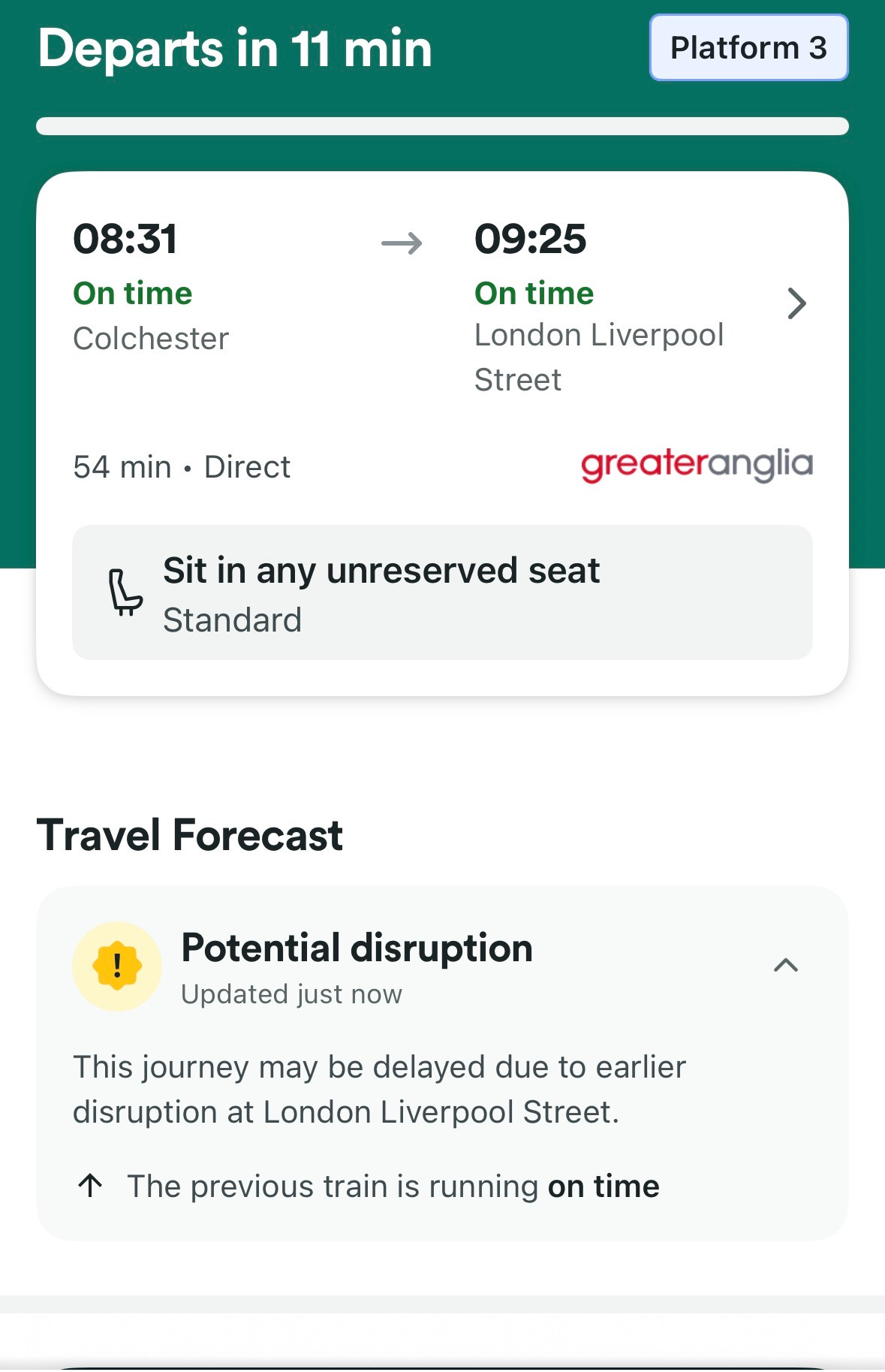
Like this, from Trainline, on potential disruption to my journey. Firstly, the pop up saying there might be a problem. That’s useful. But more useful is what comes next – what’s happening with the previous train. It’s not foolproof, but is probably a good indication of what might happen to my train a few minutes later.
Apple surprised me recently with an email out of the blue about my iTunes Wishlist going away. Now, I wasn’t aware I had an iTunes wishlist (probably why they’re getting rid of it). But clearly I did.
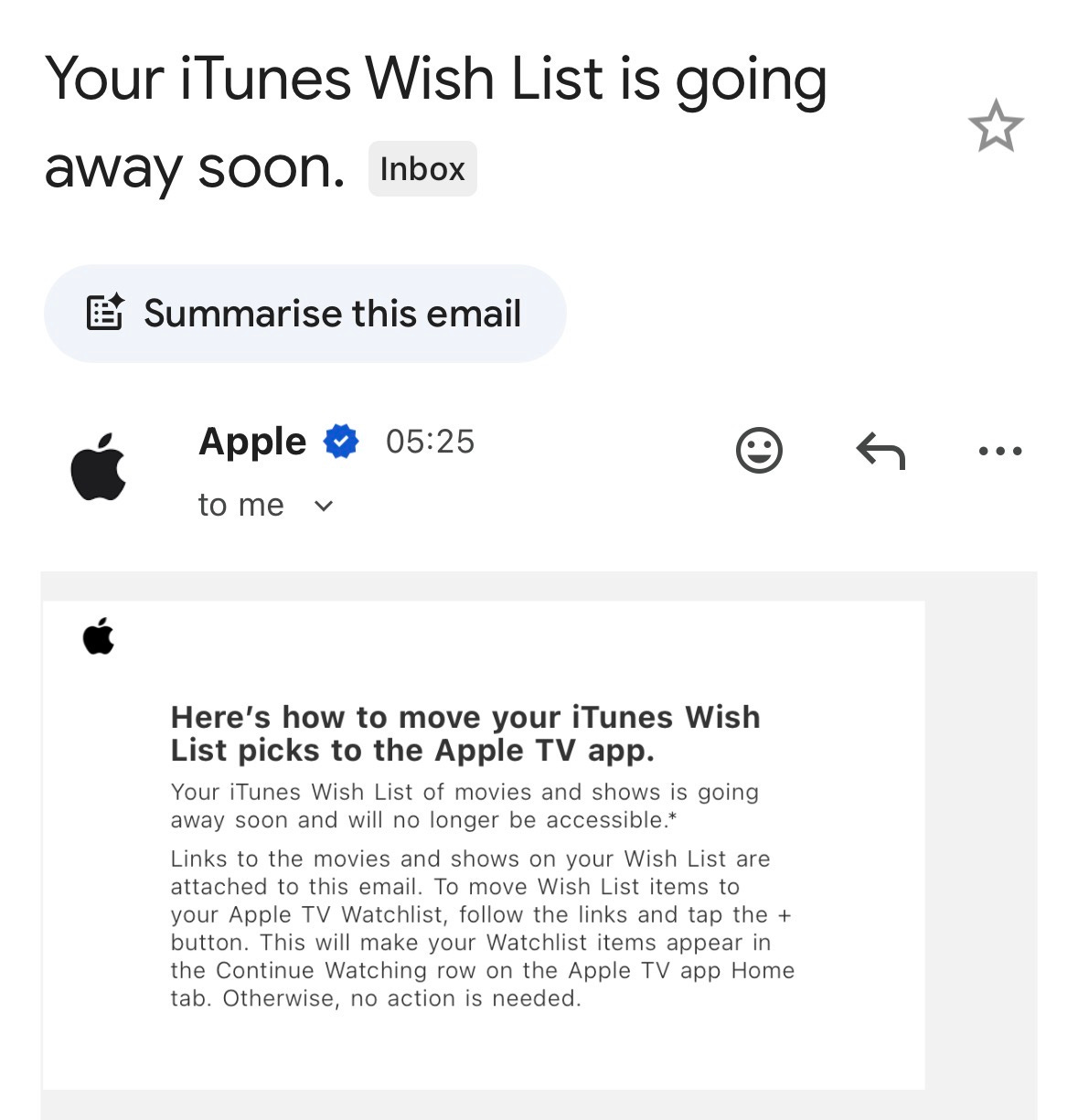
As well as giving me the information, they gave me a solution: a PDF attachment with my full list, and easy links to click and add to a new wish list, if I wanted to keep them.
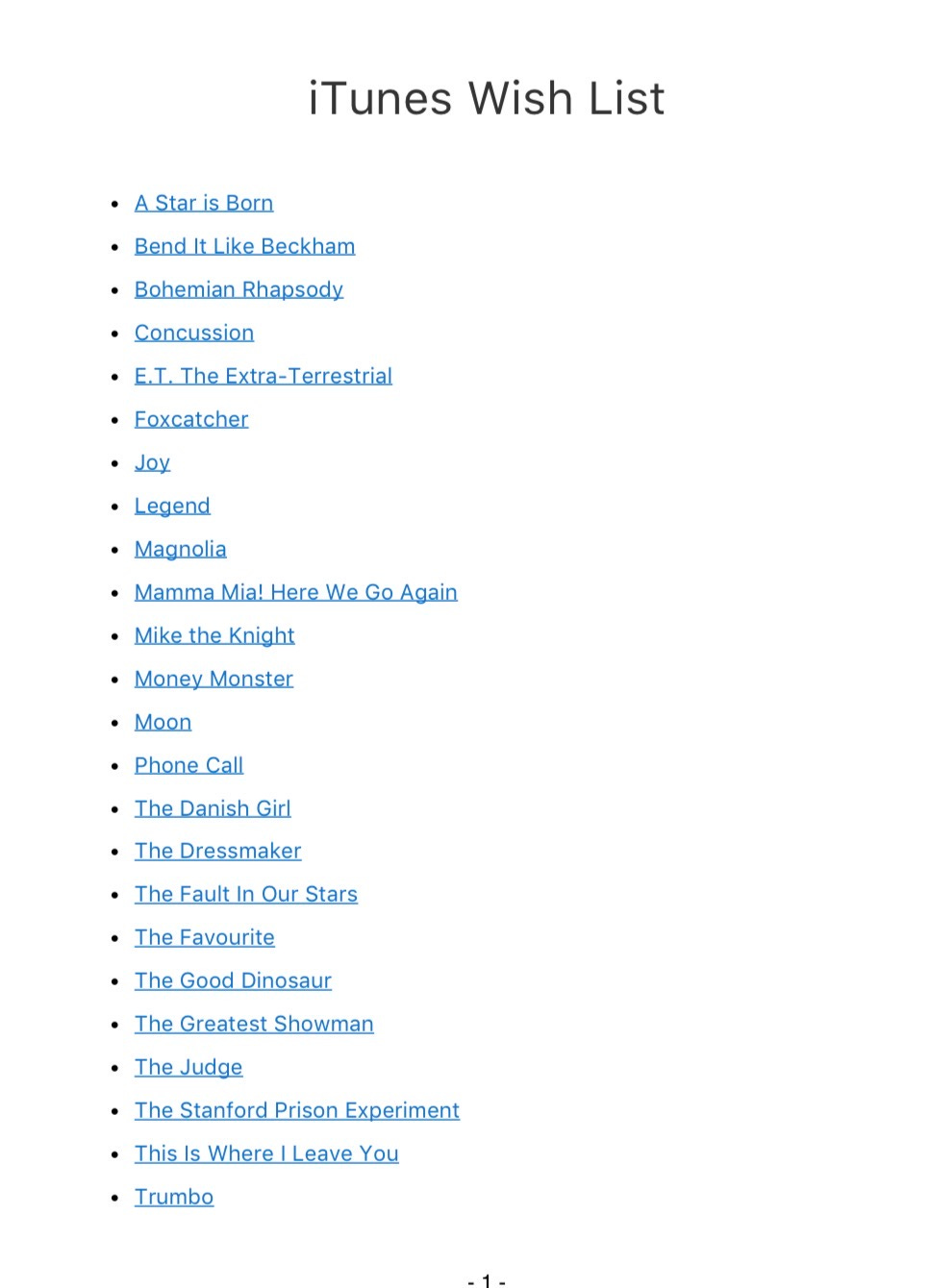
(I’m not convinced this is my wishlist…)
And being proactive doesn’t just have to be reactionary, in the moment. A bike shop near me offers free lessons on how to repair a puncture, knowing it’s going to be something that their customers will experience at least once in their lives.
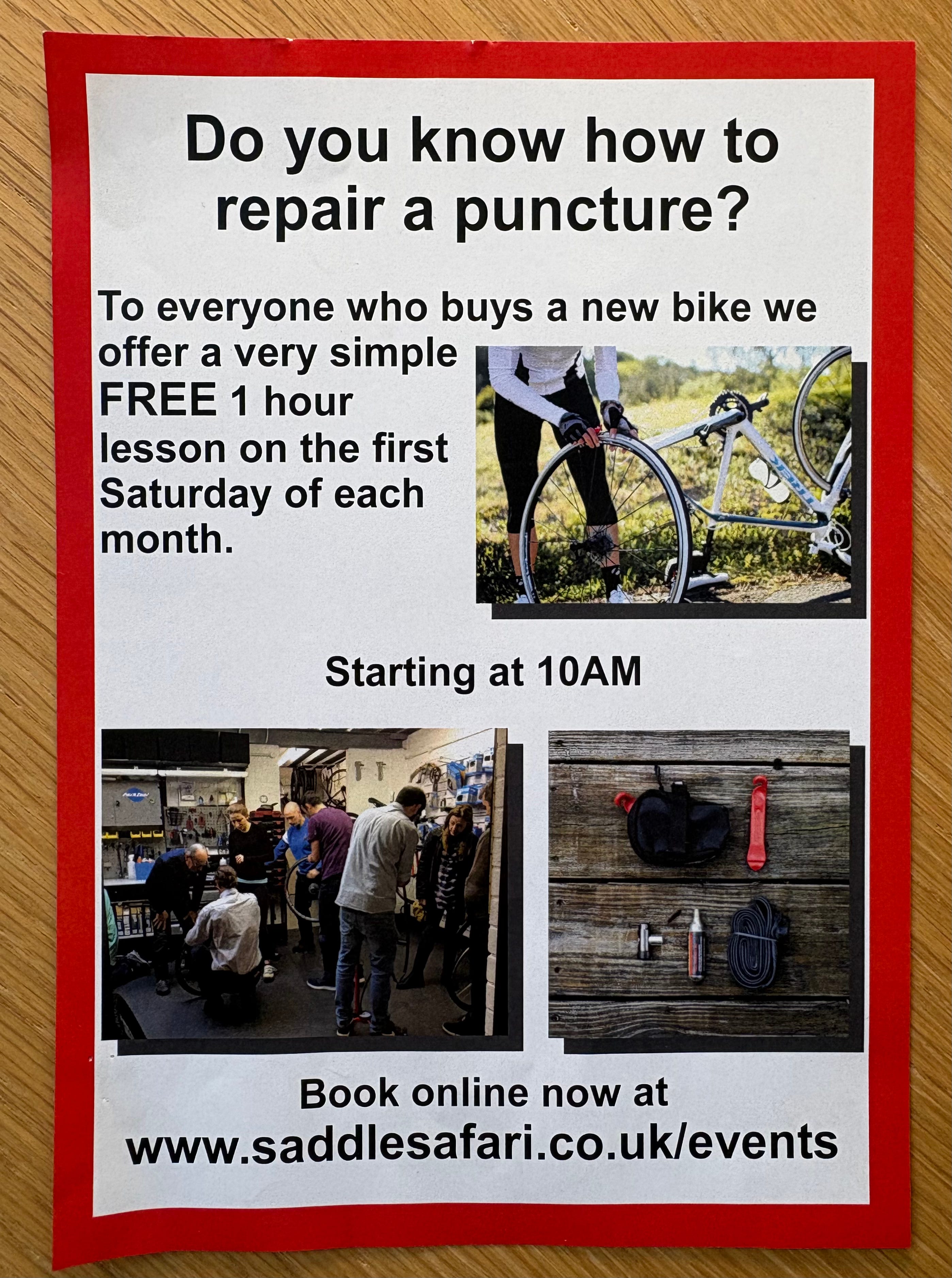
And like everything in customer experience, doing something that’s good for the customer is good for the business, too.
In the bike shop example, as well as making you like them more, it saves them having to do lots of low-value repairs that they’d probably rather not do.
For Apple, this approach hopefully saves on a whole load of complaints by people who really do treasure their forgotten film list.
And recently, my home insurance company made it incredible easy for me to renew, offering me ways to do it via phone, chat, or just a one line email reply. One line, and I was done.

It’s a lesson my car company could learn from. I emailed them – the same branch I’ve used for ten years – to ask when my MOT was due. They replied saying they knew exactly when it was due – in about a week. Cue absolute panic trying to book it in in time to keep driving legally.
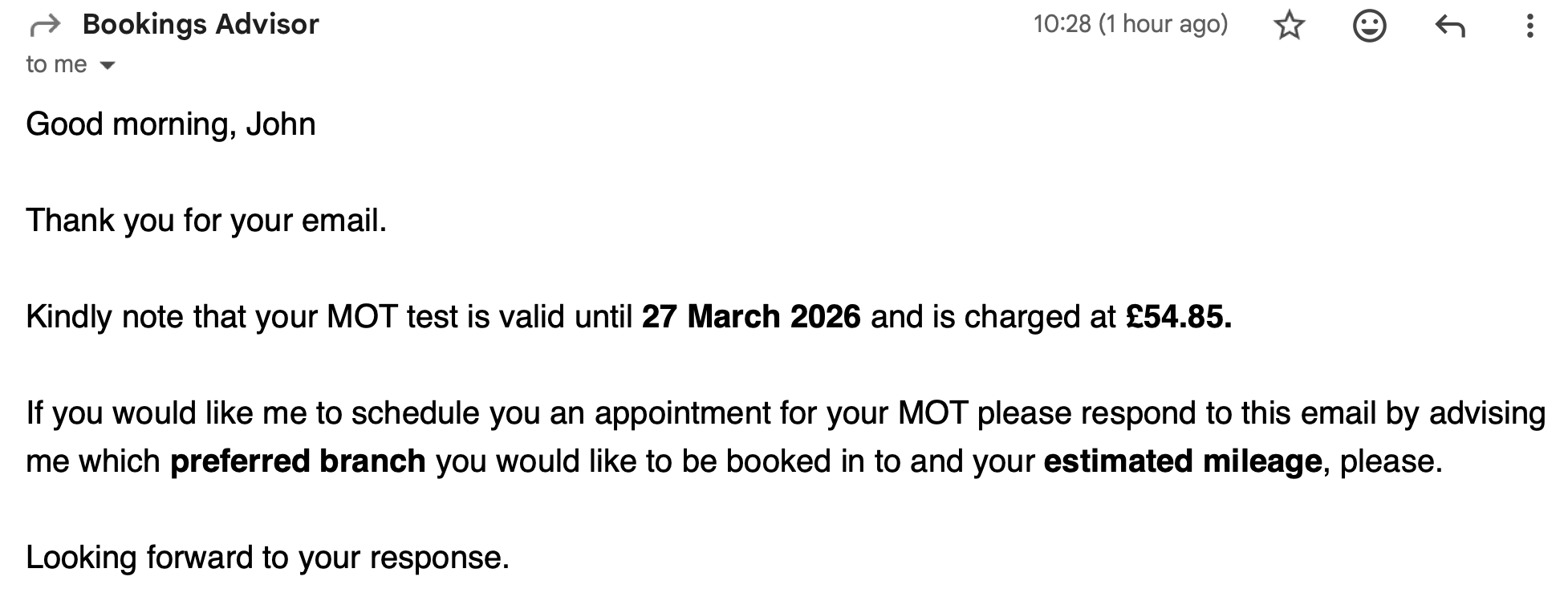
But if they had that information, why not get in touch with me first? Offer me a few appointment times? Give me a one-click way to book the car in? Why ask what my preferred branch is, after ten years of using the same one?
If they’d got in touch first, I’d think much more of them as a company – and crucially, I’m far more likely to give them my money at the click of a button.
Thanks for reading this article, I really hope you enjoyed it. You can subscribe to my monthly newsletter below, find me in picture form on Instagram @johnjsills, or in work mode at The Foundation and LinkedIn.
 johnJsills