You’re reading CX Stories, a newsletter about customer experience innovation. If you want to join the 6000+ lovely people who receive it every month, just click the button below.
Many years ago, I got a promotion to a global Customer Experience team, working for one of the most senior managers in the company. And it taught me an unexpected lesson about the importance of building a human culture inside an organisation.
On day one, I turned up wearing what I’d been wearing for the past few years – suit from Burtons, white shirt from M&S, red tie representing the brand (but we all know what that was really about).
“You won’t be needing that anymore” said one of the team, flicking my tie up into my face.
Looking around, I could see he was right. The global team was blissfully progressive; the tie a thing of the past up here. In fact, only one person on the floor did wear a tie: David, the senior manager.
A couple of weeks later, my neck enjoying its new-found freedom, it was time for my first all-team meeting. Feeling a little nervous, I gathered my notes, stood up from my desk – and froze in horror at the scene unfolding in front of me.
Everyone – well, all the men – was reaching into their drawers, pulling out their ties, and slipping them on round their necks.
“What’s going on?” I asked the tie-flicker.
“Oh, it’s David’s monthly ManCo meeting. We always wear a tie for that.”
David sat at his desk and watched the whole thing unfold, a group of people he saw without ties every day, putting them on just for him. He never requested it. He never stopped it. He must have thought we were completely insane – and probably thoroughly enjoyed it.
It’s often said that how you treat your customers is a mirror of how you treat your colleagues: the happier your colleagues are, the more likely they are to create a great experience for your customers.
But it’s also true for organisational culture: the image you present to the outside world is a reflection of the culture you have inside.
In our non-work lives, most of us are kind, empathetic people. We know how to have a good conversation. We understand the stresses and strains friends and family are under. We’re aware of what good customer experience looks like.
Yet as soon as we walk through the doors of the office (or open our laptop to enter our virtual office), we start speaking and typing a different language, using words we’d never normally use. We talk about people in a way we’d never normally talk about them: heartless, unemotional, as if they’re a number. We start making decisions we’d never normally make, hidden from the consequences by spreadsheets and PowerPoints.
It’s completely inhuman – and it’s entirely natural. As Charlie Dawson and Sean Meehan write in The Customer Copernicus, this inside-out thinking is like gravity, a force pulling you inside an organisation, closer to colleagues, competitors and regulators than you are to customers. And like gravity, the bigger the organisation, the stronger the force.
What’s this got to do with my tie?
Well, I think the more humanity that’s shown to colleagues, the more humanity they’ll treat customers with, reciprocity in action.
It was always my favourite thing about going to visit first direct. A vibrant, buzzing contact centre, instantly welcoming, totally down to earth.
At the entrance, they had a concierge for the staff, for anyone who needed a job doing that day. Shoe repairs? Clean suit? Parcel picked up? A service available to anyone, understanding their stresses, wanting to be genuinely useful.
Combine that with a wear-what-you-want policy, a fun fair to celebrate their birthday, a creche for kids and a VIP lanyard for any visitors who arrive, it’s no surprise that colleagues who feel loved end up making their customers feel loved, too.
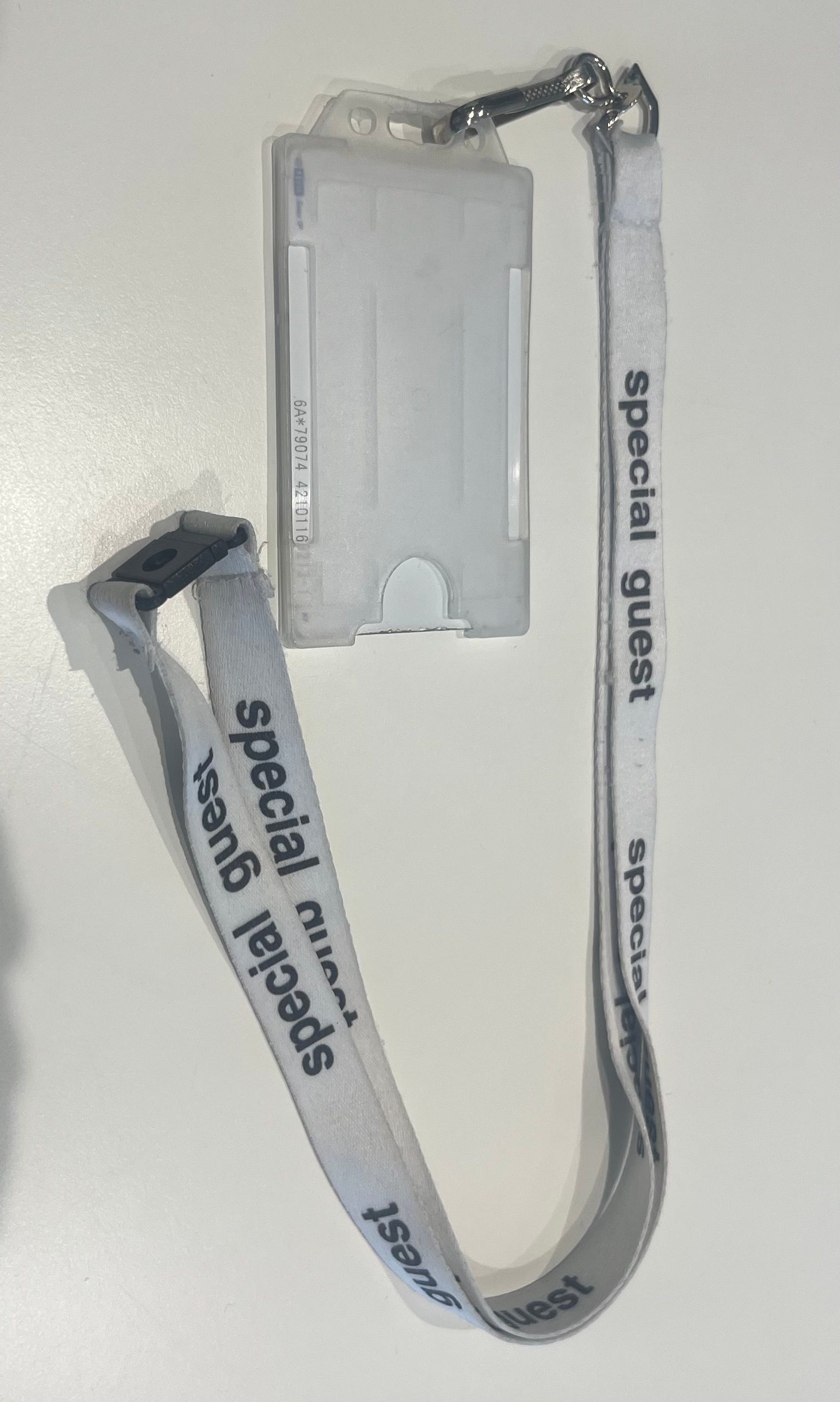
Us humans are able to do amazing things when we’re given the chance. And more often than not, we’re people who care about others, who want to make things better where we can.
But we’re also people who follow the status quo and behave in line with incentives, with what we get praised for, and what gets us told off. If a culture is too rigid, it gradually squeezes the life out of the people inside, which ends up being felt by the people they’re trying to serve.
So if you want to create a truly human customer experience, you have to start by creating a truly human culture inside the organisation – not one that leaves people feeling tied up too tight.
Thanks for reading this article, I really hope you enjoyed it. You can subscribe to my monthly newsletter below, find me in picture form on Instagram @johnjsills, or in work mode at The Foundation and LinkedIn.
 johnJsills