You’re reading CX Stories, a newsletter about customer experience innovation. If you want to join the 6000+ lovely people who receive it every month, just click the button below.
Because of what I do, I get a lot of CX stories and examples sent in to me. I like to think of it as a cathartic service I provide to the world, allowing people to blow off steam about their latest experience.
Sometimes, I start to spot patterns emerging, companies in different industries all starting to do the same thing around the same time.
One of the things I’ve noticed recently – largely prompted by a slew of examples sent to me by a fellow Arsenal supporter – is the increase in ‘weasel words’ used by companies, or an over-importance of their role in customers’ lives.
I wonder if they see it as softening the blow, but to me it comes across the same as what we see in global politics – a refusal to say what’s true, even though everyone can see it, to avoid association with anything negative.
The thing to remember reading through these is that is doesn’t cost any more money to choose to write in a human way. But the impact on how customers think about you could be invaluable.
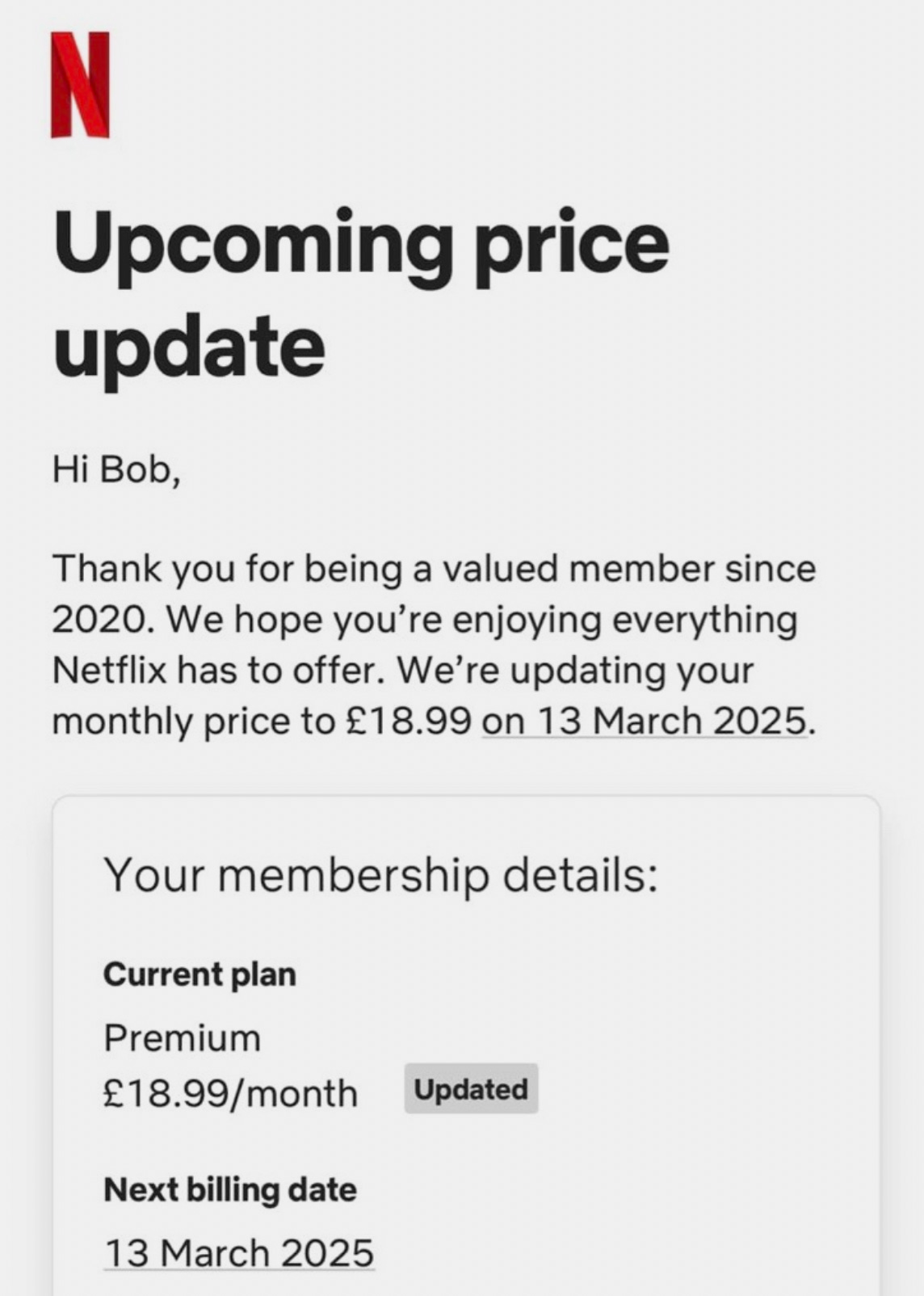
An early sign of this pattern was this email from Netflix to a colleague, announcing their latest ‘price update’ – presumably as a thank you for being such a valued member:
Then once you see it, you can’t stop seeing it.
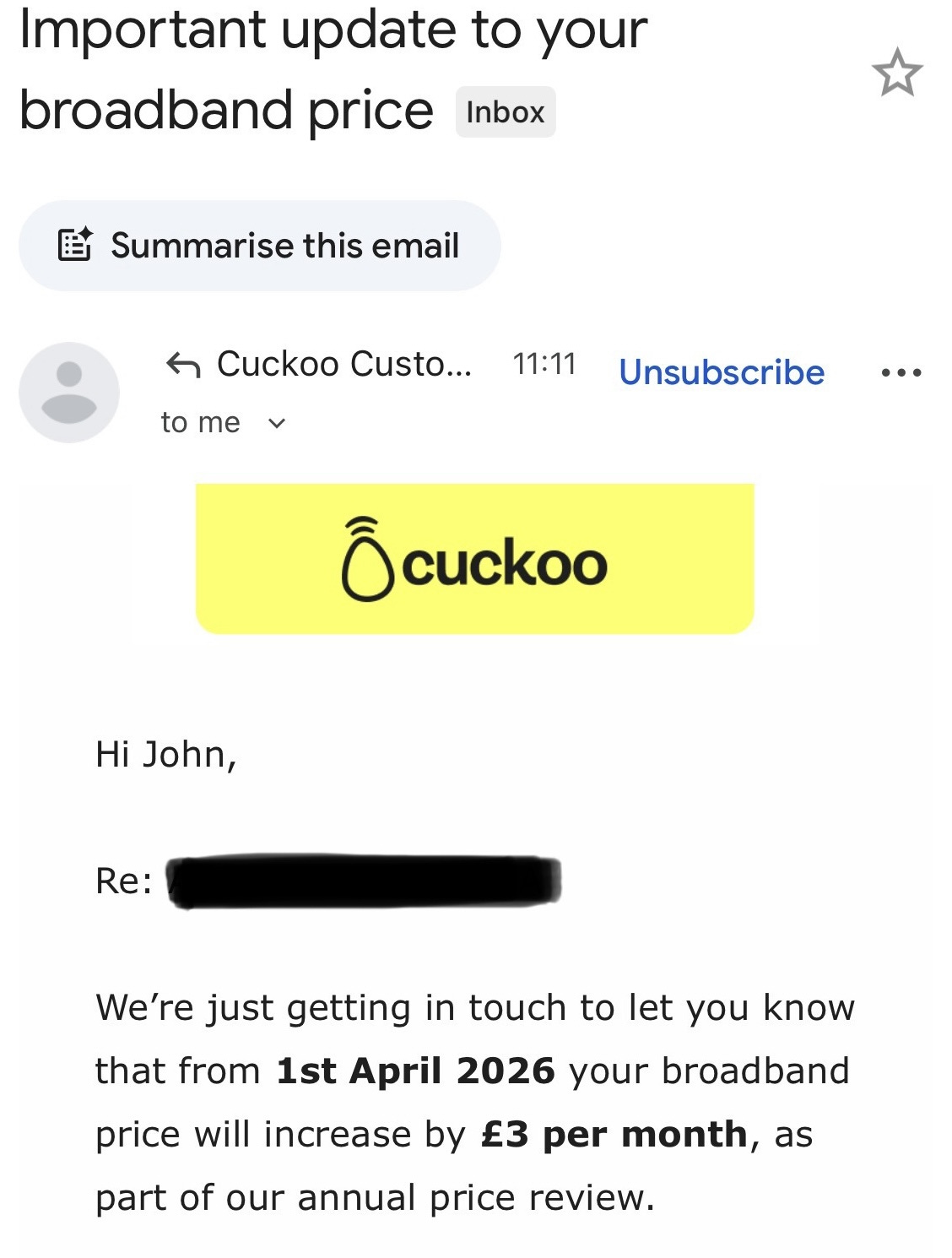
Cuckoo sent me an important update about my price:
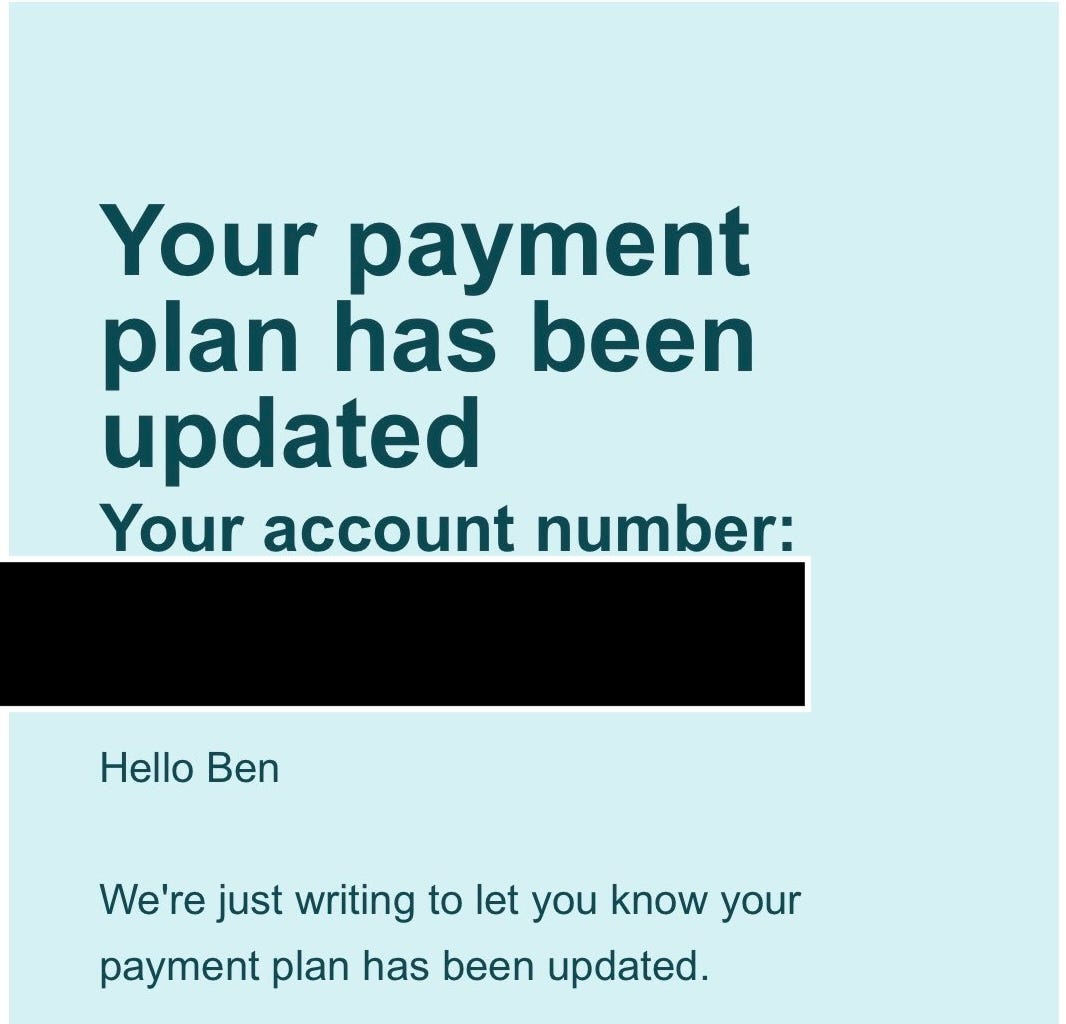
South East Water updated my friend’s payment plan:
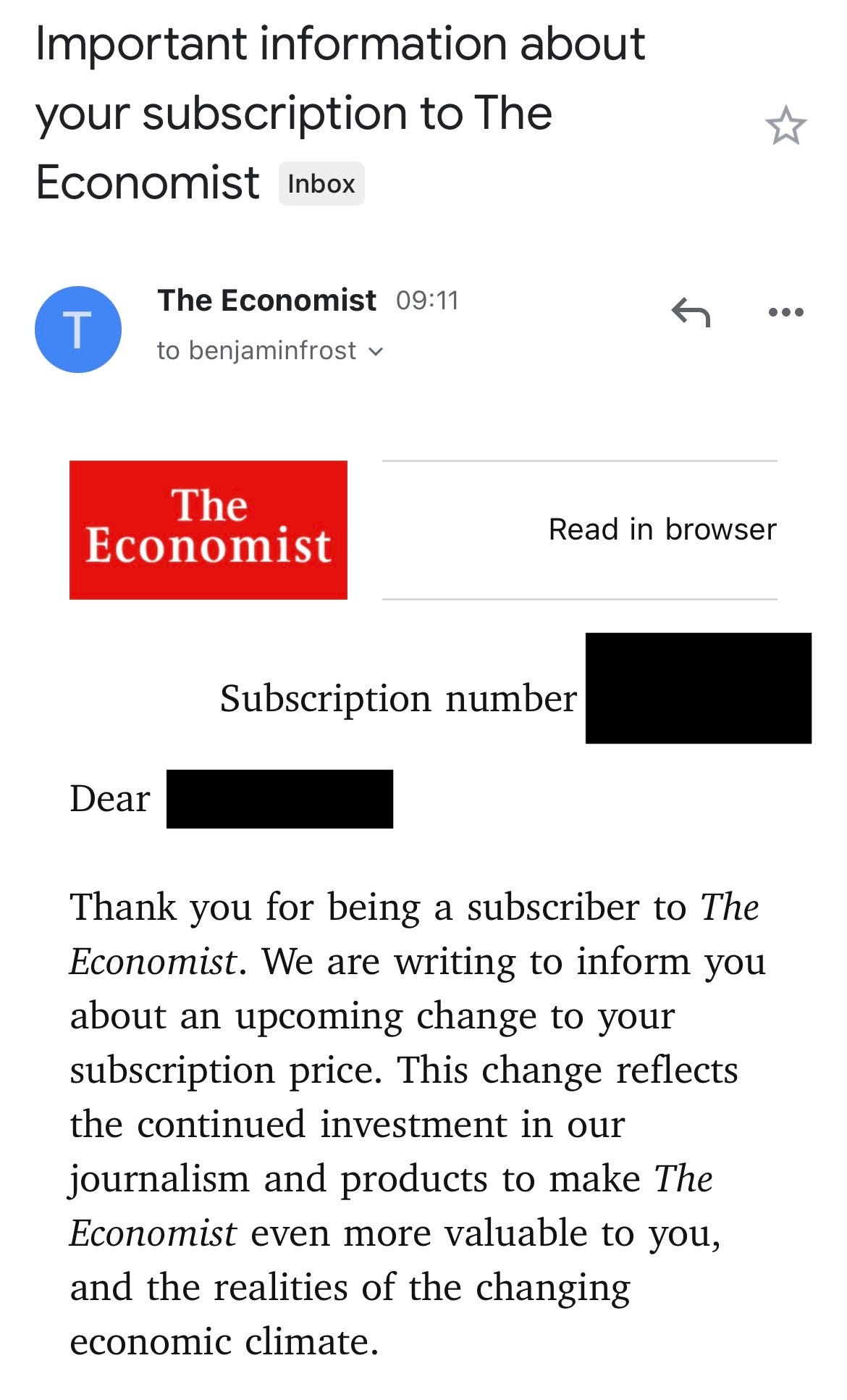
And The Economist had important information about his subscription:
As well as price rises – sorry, updates – this pattern seems to appear across any kind of potentially unwelcome news.
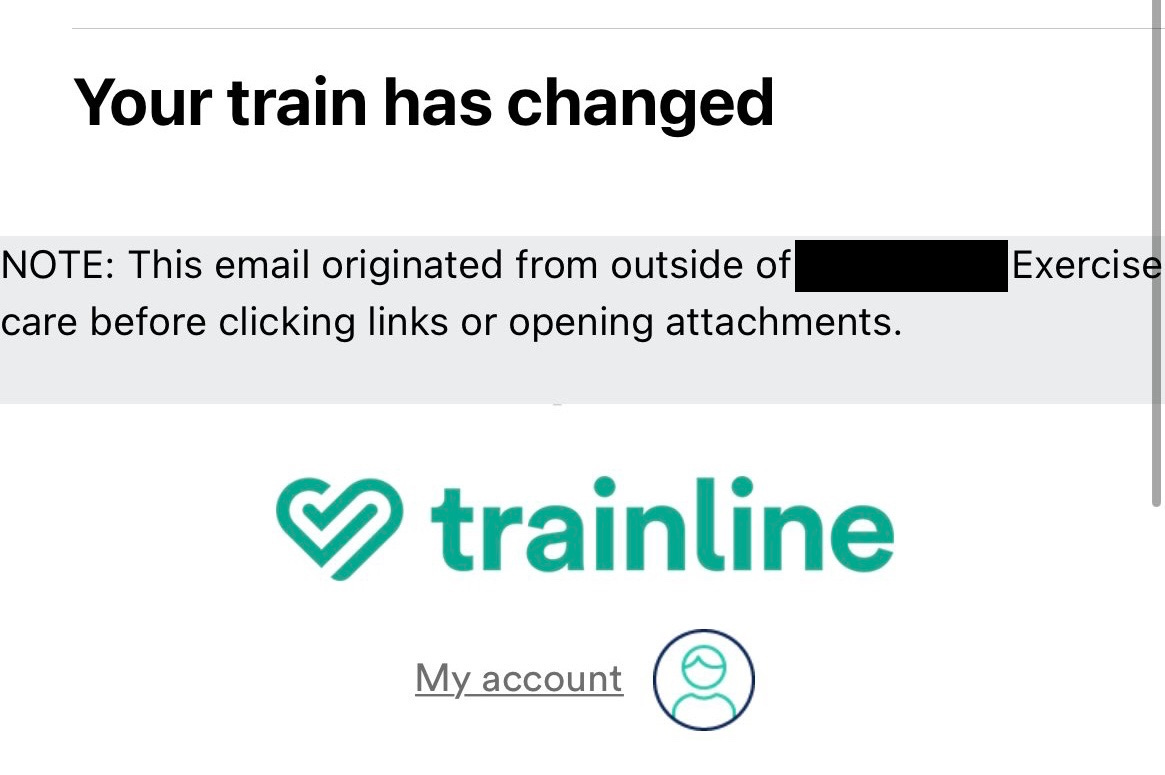
Recently, Trainline let me know my train had changed, with the one I wanted no longer running. I’m sure we used to have a name for that.
And Avis had news about updates to their benefits package, including the highly hopeful line ‘As you will be aware from our Avis Preferred Terms and Conditions’:
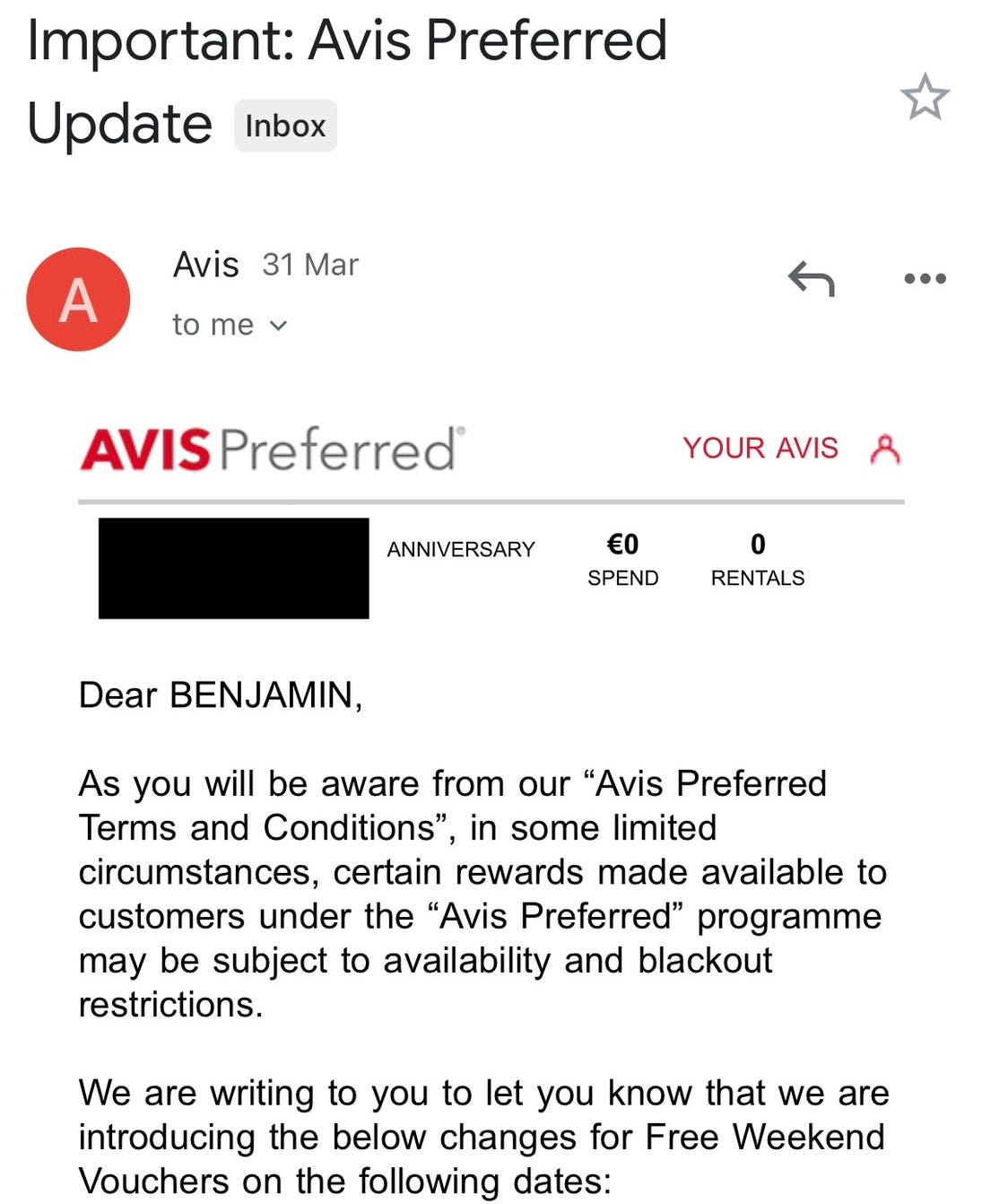
(It would be good for Avis to remember that no-one cares about your business as much as you do)
It’s not just organisations’ refusal to use any kind of negative language though. Sometimes, it’s that they’re far too excited about the news they do have to share.
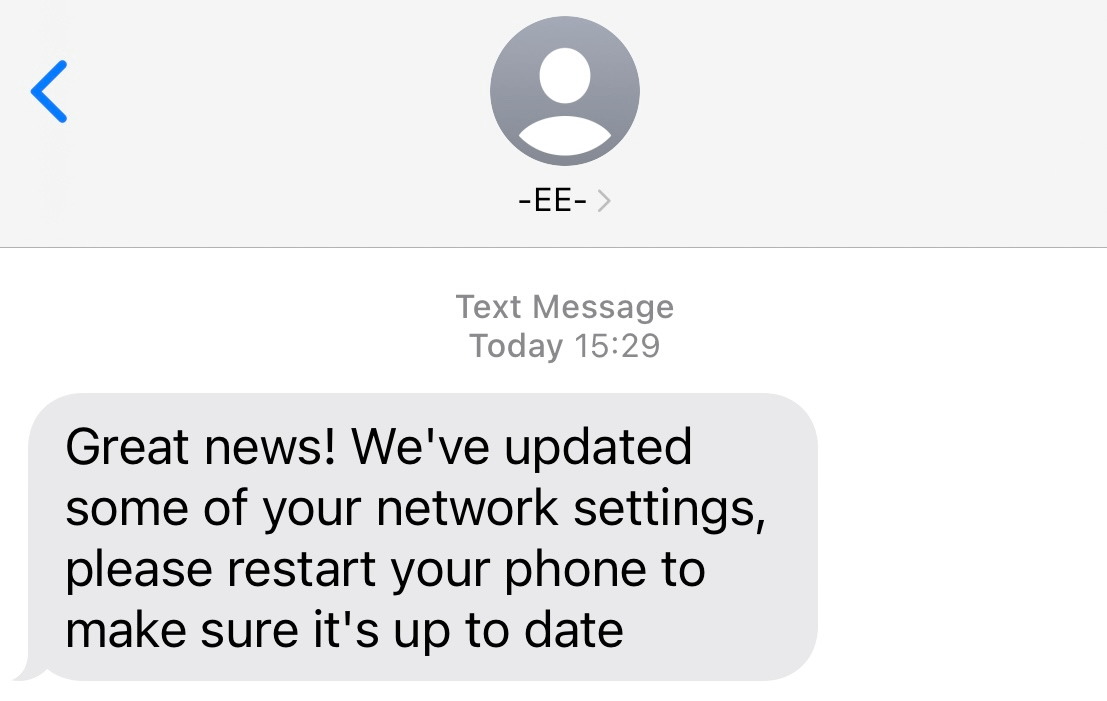
EE had some great news for me relating to my network settings (whatever they are):
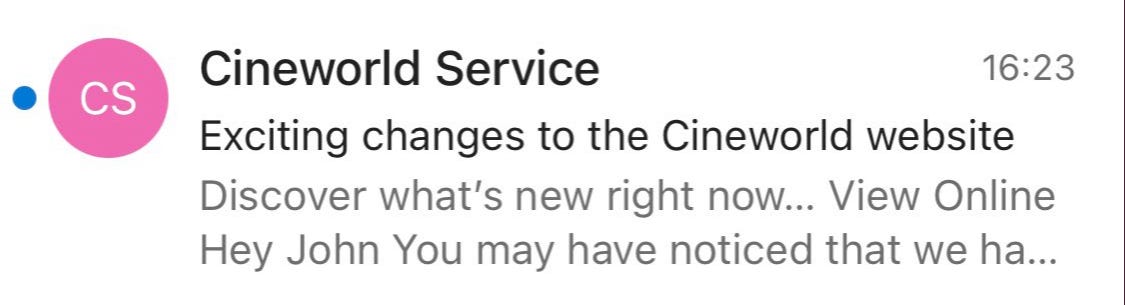
Cineworld had some exciting changes to their website:
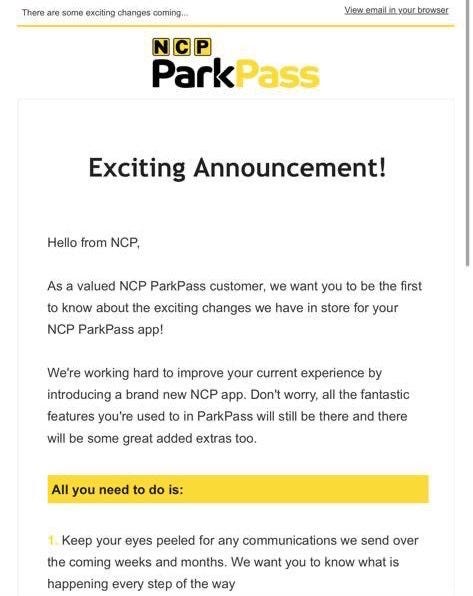
But even they weren’t as excited as NCP, who couldn’t contain their joy at the upcoming changes to my parking app – including the slightly threatening line ‘we want you to know what is happening every step of the way’:
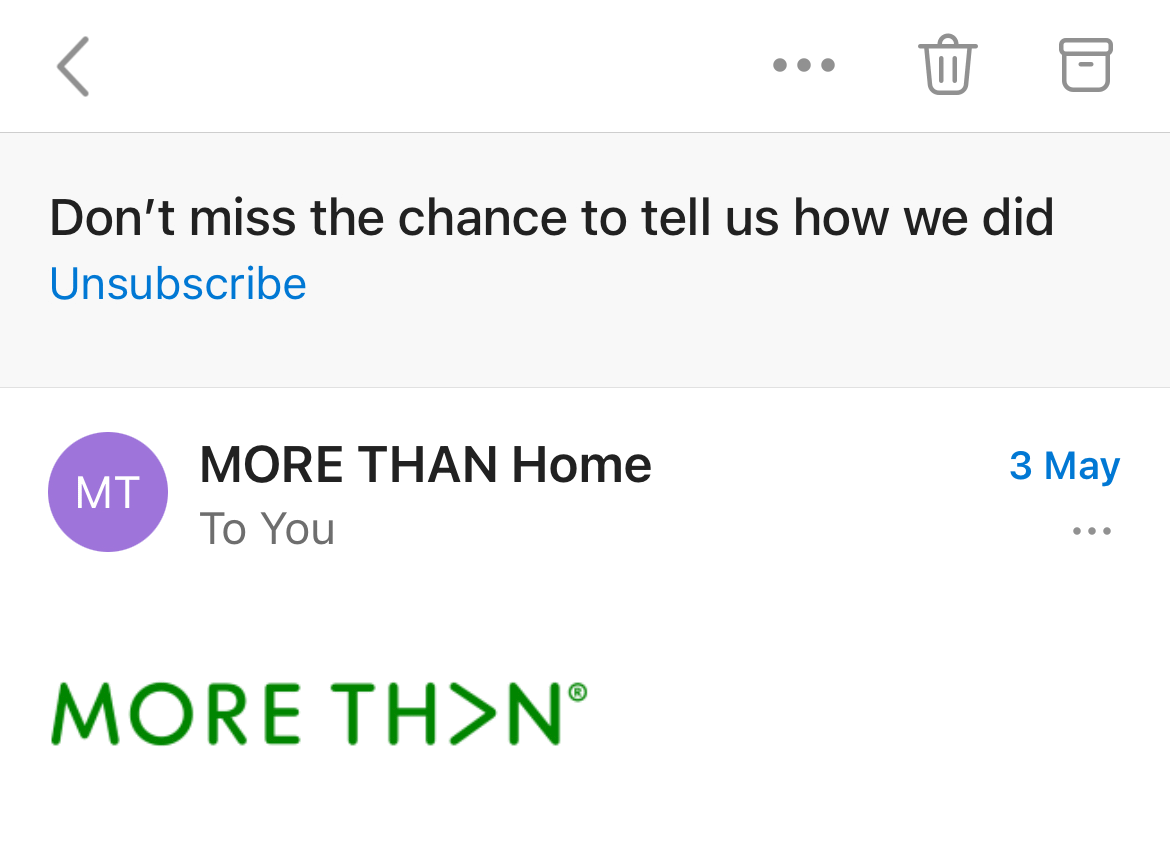
MoreThan really didn’t want me to miss the chance to give them feedback:
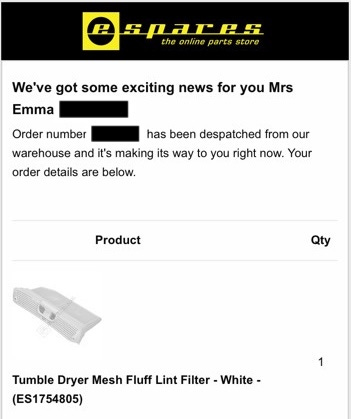
And eSpares excitement at sending someone a new Tumble Dryer Mesh Fluff Lint Filter is quite impressive:
However, just as it’s painful when you see it done badly, it’s also great when you see it done really well.
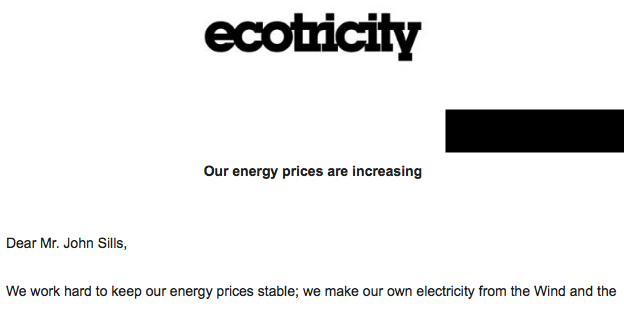
ecotricity, like Octopus, just tell it like it is. And that’s ok:
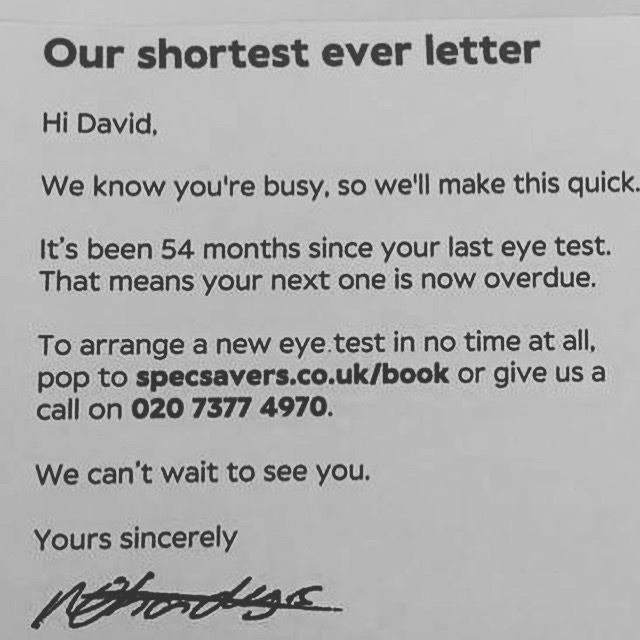
Similarly Specsavers wasted little time (and little paper) on getting their message across:
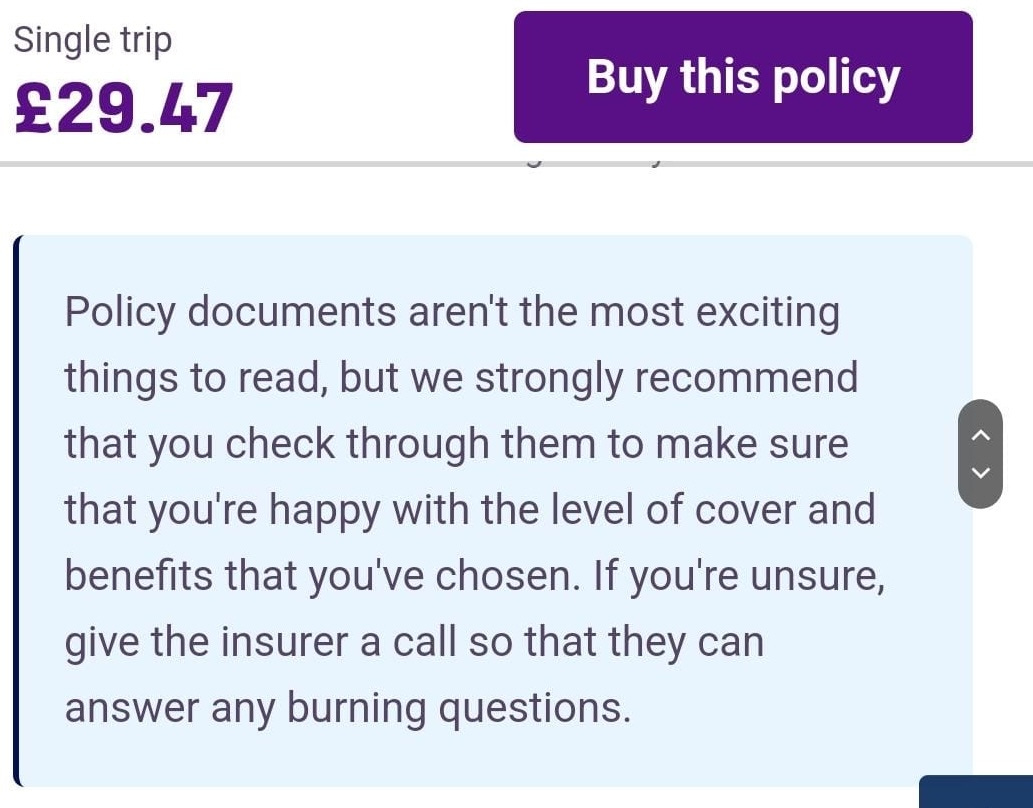
Whilst Policy Expert didn’t try and hide how boring it is to read policy documents:
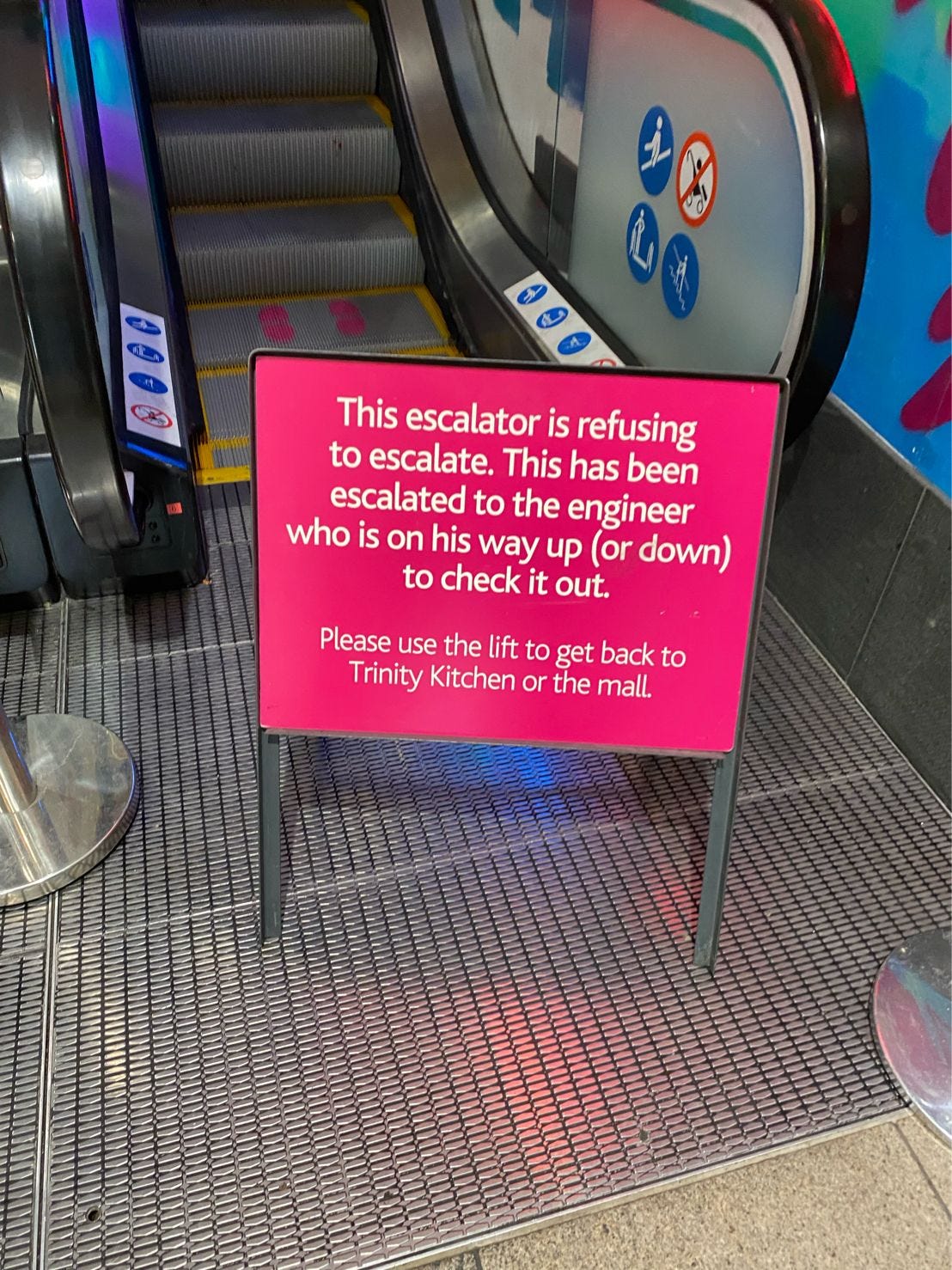
Trinity Leeds shopping centre enjoyed telling people that the escalator was broken:
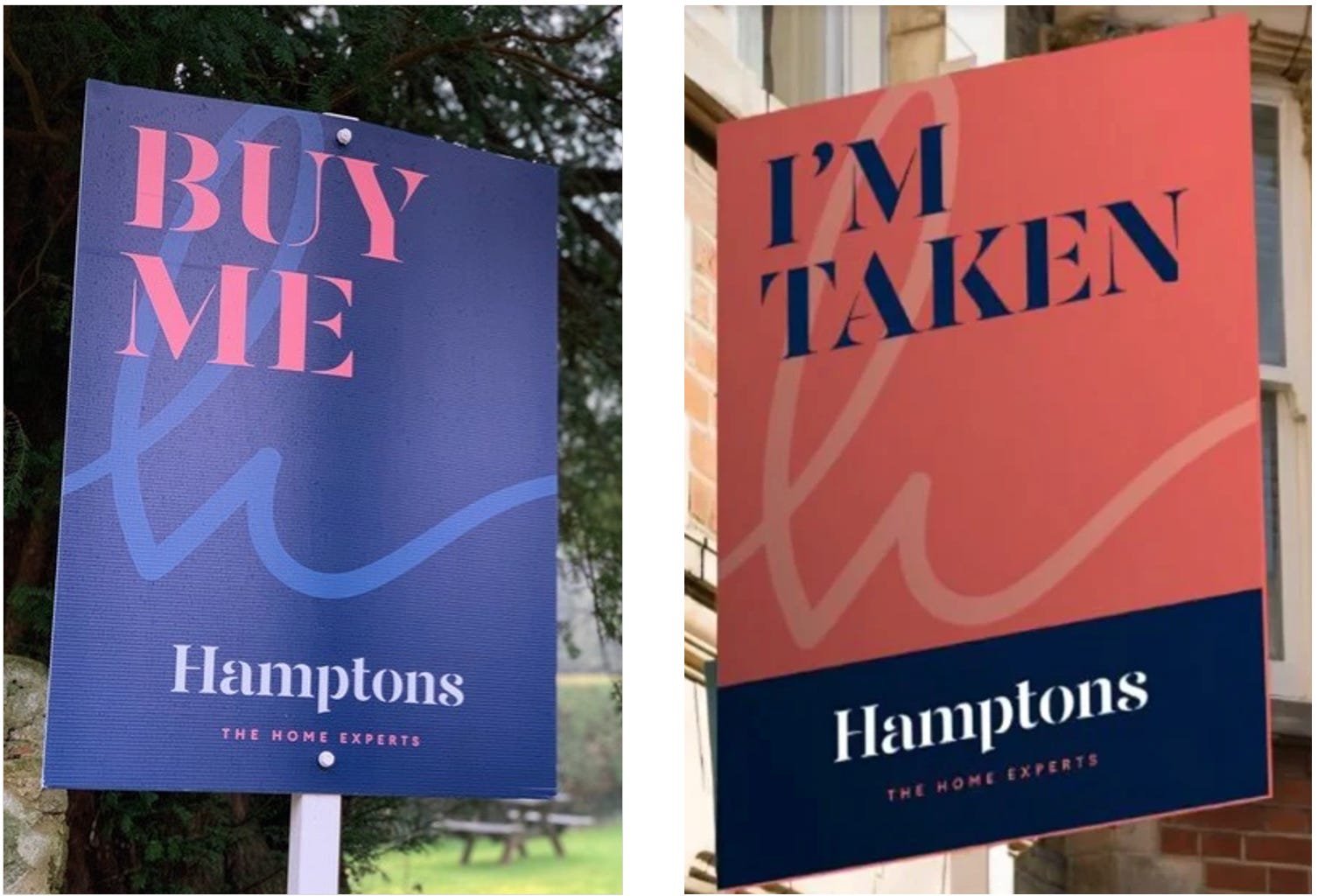
And Hamptons Estate Agency found a lovely way to humanise their ‘for sale’ and ‘sold’ signs (standing out from other estate agents in the process):
But the award for the most straightforward communication has to go to the Victorian Trades Hall Council in Australia, sharing the benefits of a new wind farm:
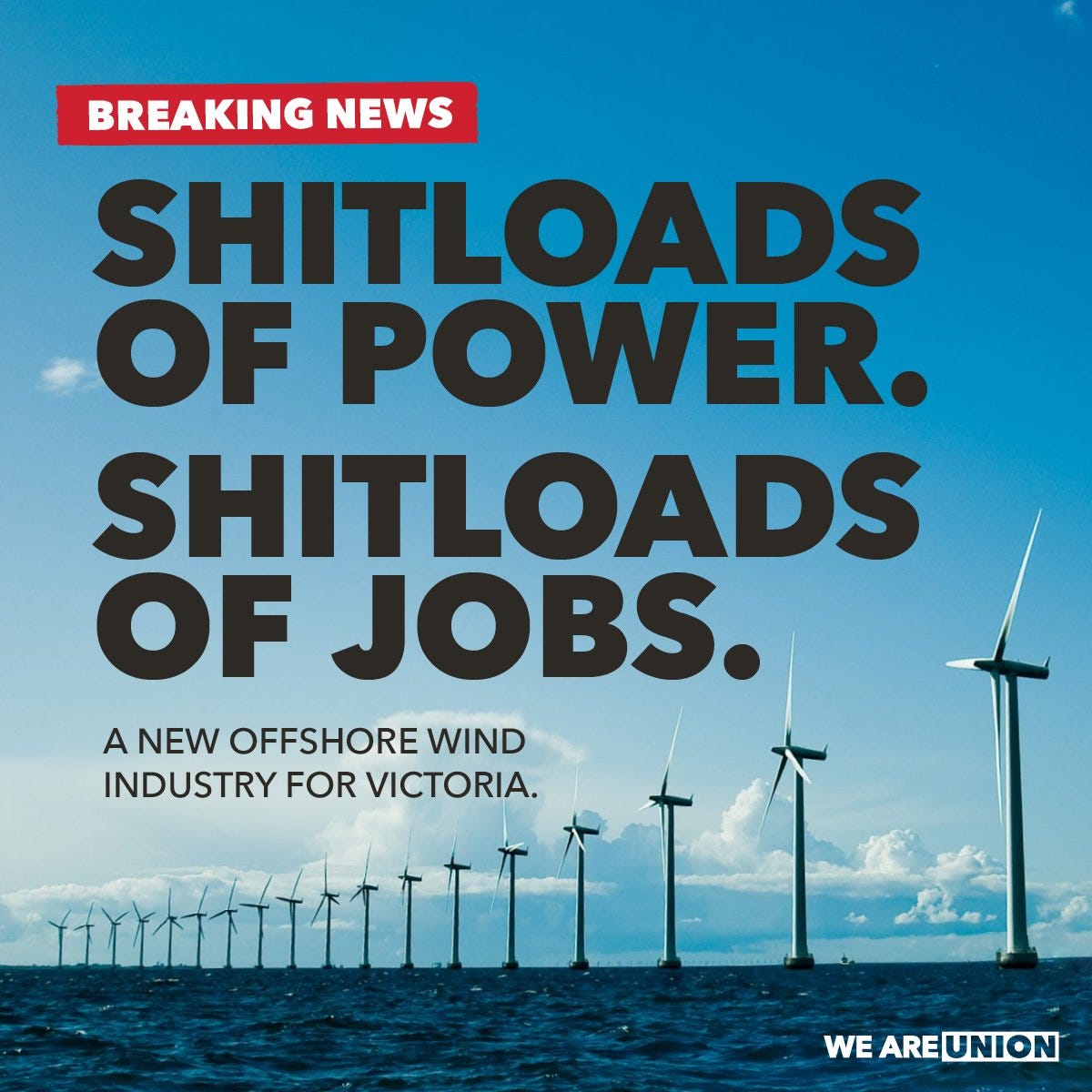
As I said at the start, what I love about the positive examples here is that they don’t cost any more money to produce than the less-positive ones.
The organisation is just choosing to talk in a more human, more straightforward way.
And that is what customers want: a straightforward, consistent, adult-to-adult relationship with an organisation – not one where they feel they’re having the wool pulled over their eyes.
Many of these examples came from people I’ve chosen not to name to protect their accounts / identities – but thank you to everyone who’s sent one of these to me!
Thanks for reading this article, I really hope you enjoyed it. You can subscribe to my monthly newsletter below, find me in picture form on Instagram @johnjsills, or in work mode at The Foundation and LinkedIn.

