You’re reading CX Stories, a newsletter about customer experience innovation. If you want to join the 6000+ lovely people who receive it every month, just click the button below.
My first experience with TNT was a fairly unpleasant one, the low point of my parenting experience.
My son had called me into the living room to proudly show off his creation on Minecraft, a sprawling village complex he’d been building for days. As his first time playing the game, it was a special moment.
As I took the controller from him to take a look around, he warned me to be careful of the TNT blocks piled up on the side of the mountain. Flicking the joystick to see what he was talking about, I accidentally made contact with one of the aforementioned blocks, starting a chain reaction of explosions that, over the course of the next sixty seconds, decimated the entire thing.
It also started a chain reaction of tears and blame which gets regularly brought up to this day.
Anyway, thankfully this article isn’t about explosives. But it is about those tiny little moments that stick long in the mind of customers, for better or for worse.
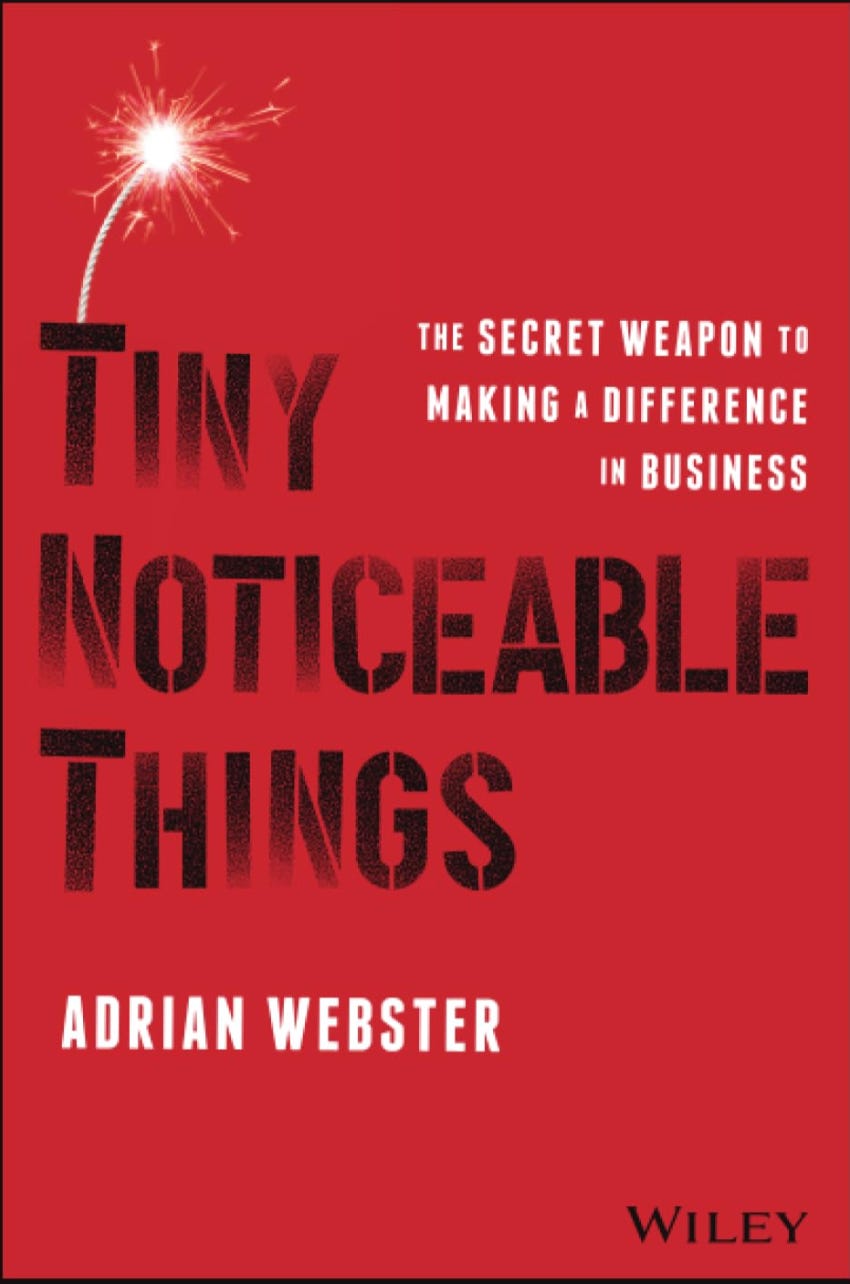
The phrase ‘Tiny Noticeable Things’ was first coined by Adrian Webster, in his book of the same name, published in 2021. He described them as ‘micro-gestures’: small, low-cost actions that show the organisation really cares about the experience their customers have – and makes them stand out from the competition.
It came to mind last week when a friend of mine sent me a photo of the TV screen in their hotel:
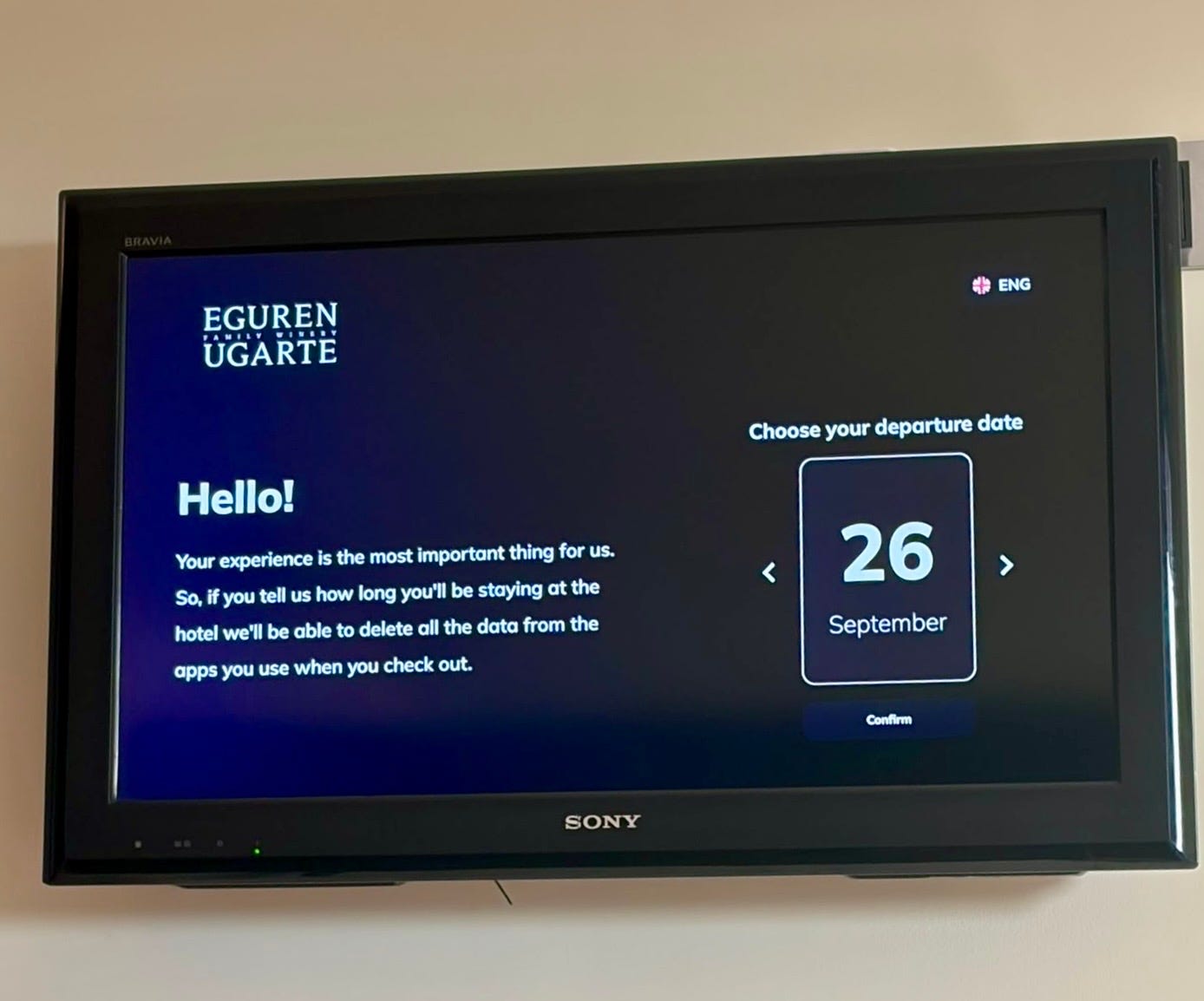
Of course, this would be even better if it did it automatically. But it’s such a great example of an organisation spotting a minor irritation, doing something about it, and delighting their customers as a result.
Then, when you start seeing them, you start seeing them everywhere.
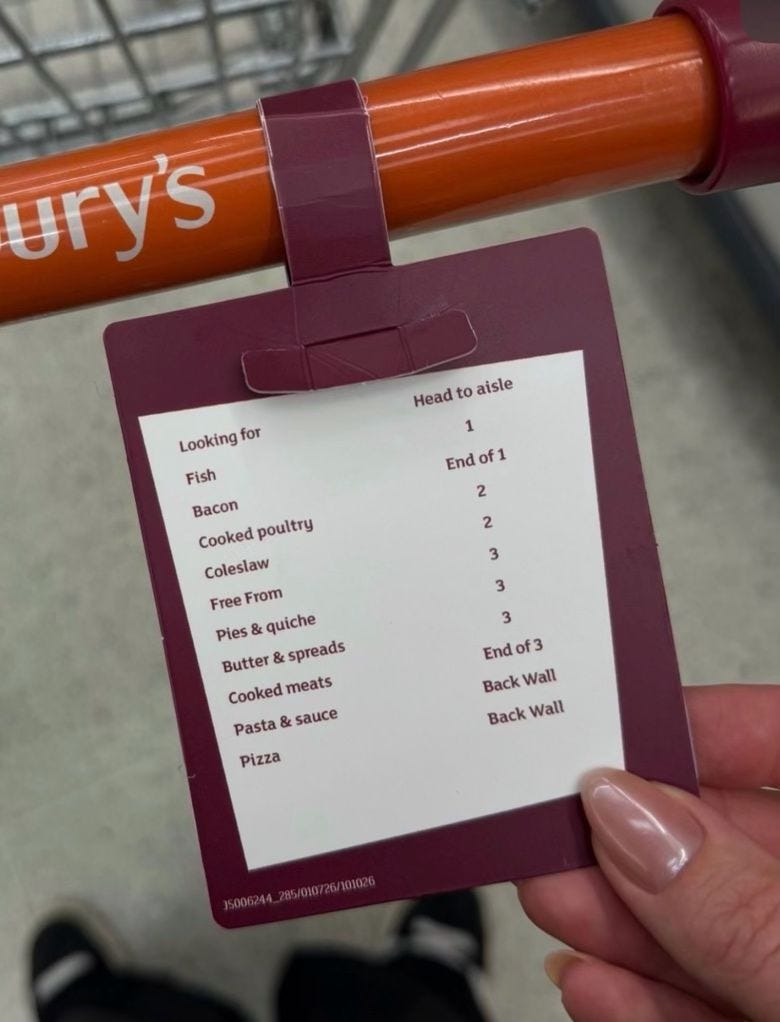
I love this, from Sainsbury’s, an old-skool, analogue, answer to the ever-present customer question of ‘where do I find this thing?’:
How about Lurpak, knowing that people often use their product for baking, so adding the weights to the side of the box:

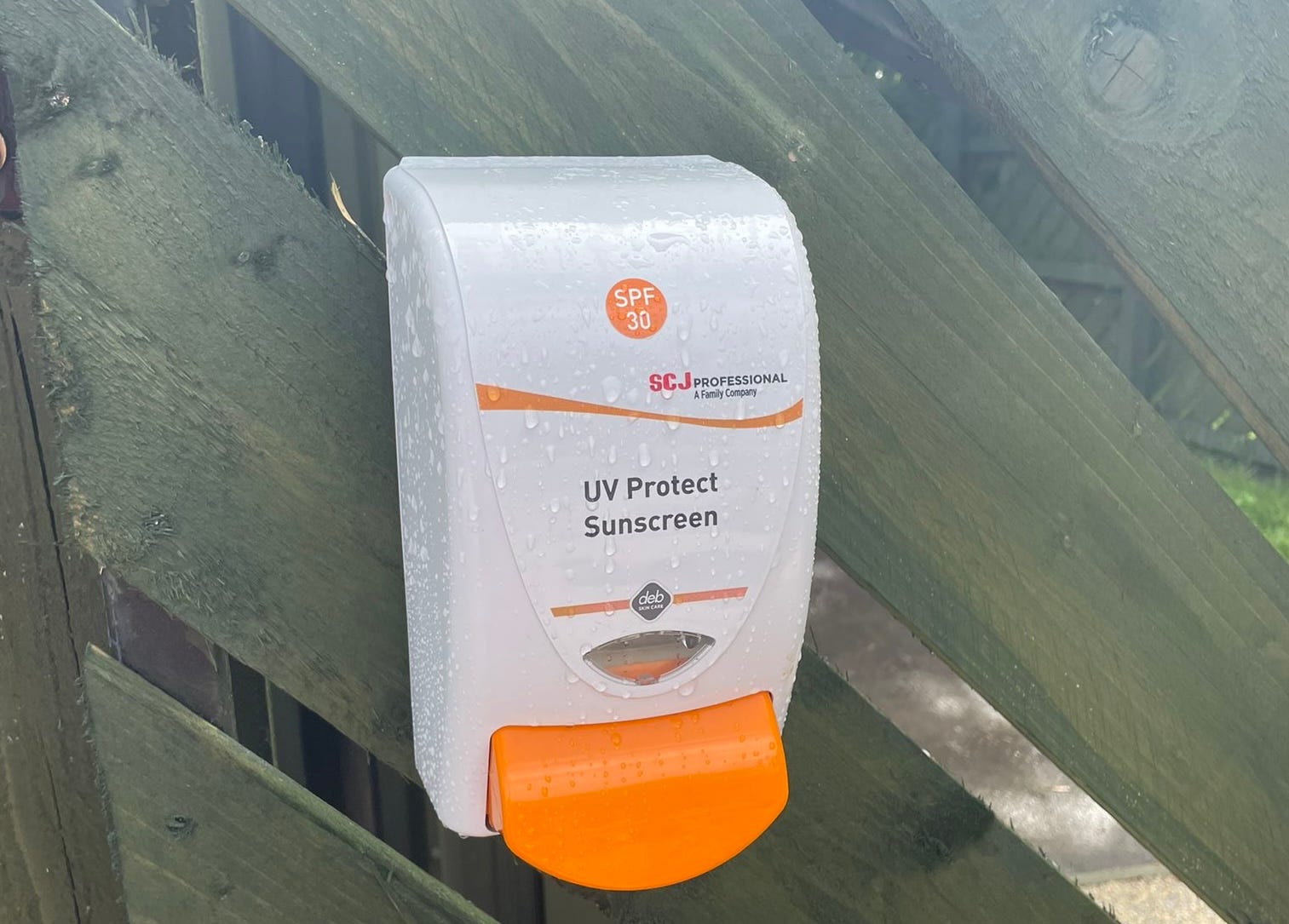
At Legoland Windsor, they have sunscreen dispensers around the park, for the hot days wandering around the mini models or waiting in the queues:
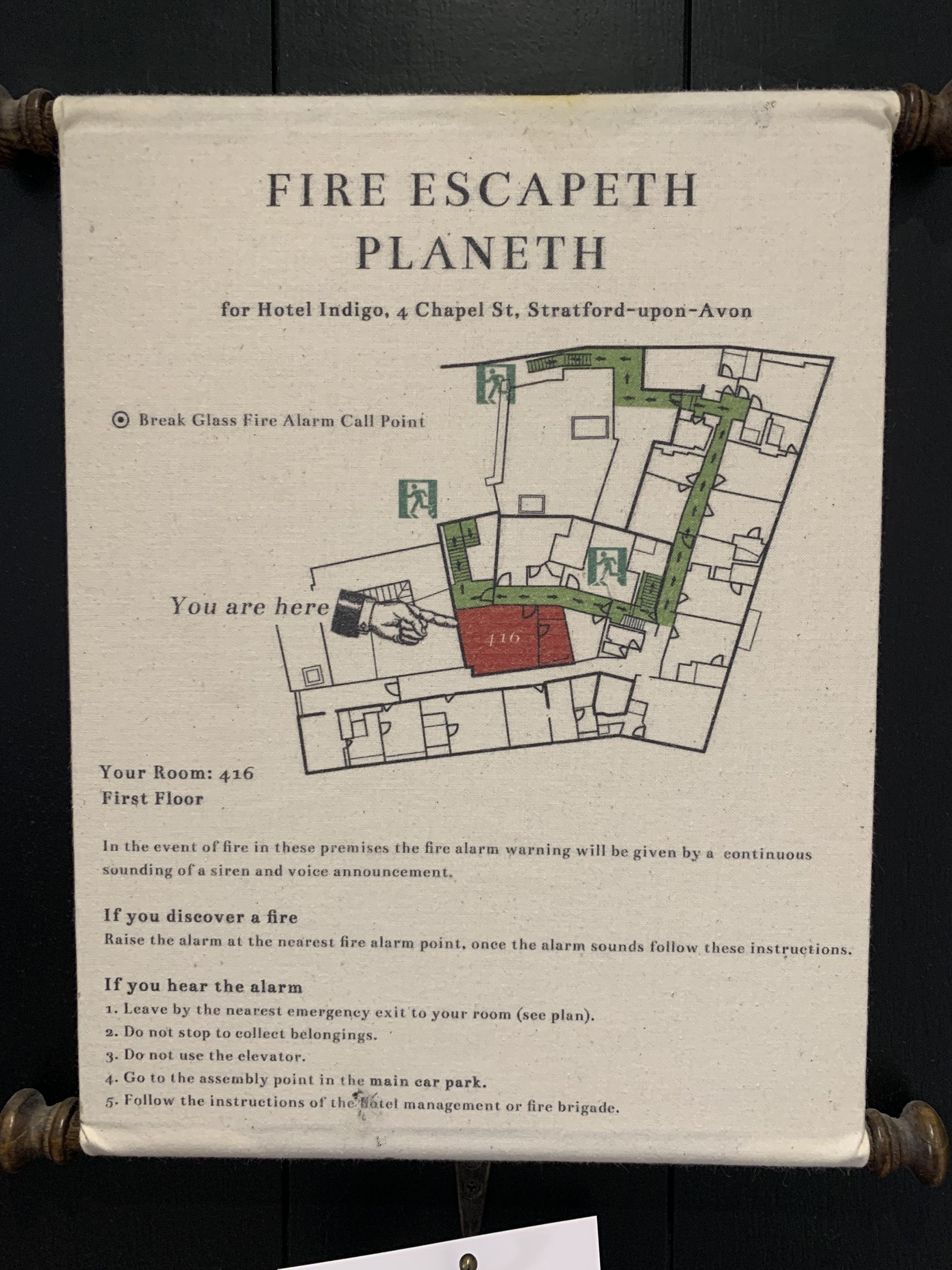
I also enjoyed this, at a hotel I stayed at in Stratford-upon-Avon, choosing to headline their fire escape instructions in keeping with the general theme of the town:
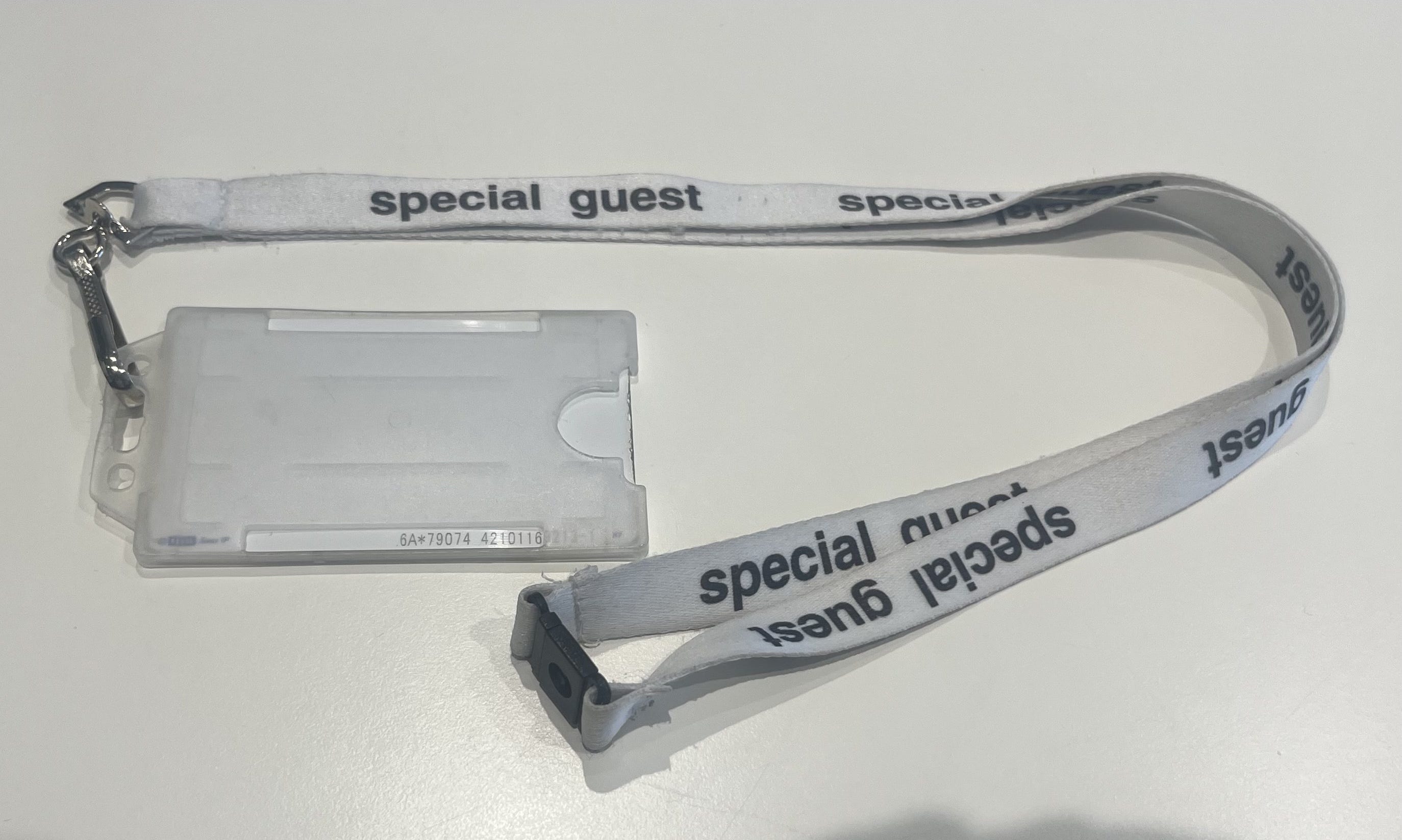
And when you go and visit first direct, instead of being given a lanyard that says ‘Visitor’ on it, you get one that says ‘Special Guest’. Same cost, massive difference to how you feel putting it around your neck:
None of these are headline-making, groundbreaking innovations. And on their own, they’re unlikely to earn a customer’s decision. But having enough of these cheap-but-meaningful things builds up an overall impression of the company. Customers may feel that, if they care about the little things, I know they’ll care about the big things, too.
Of course, the reverse is also true, the little things that show a company doesn’t really care at all. We might want to call these ‘Tiny Noticeable Failures’.
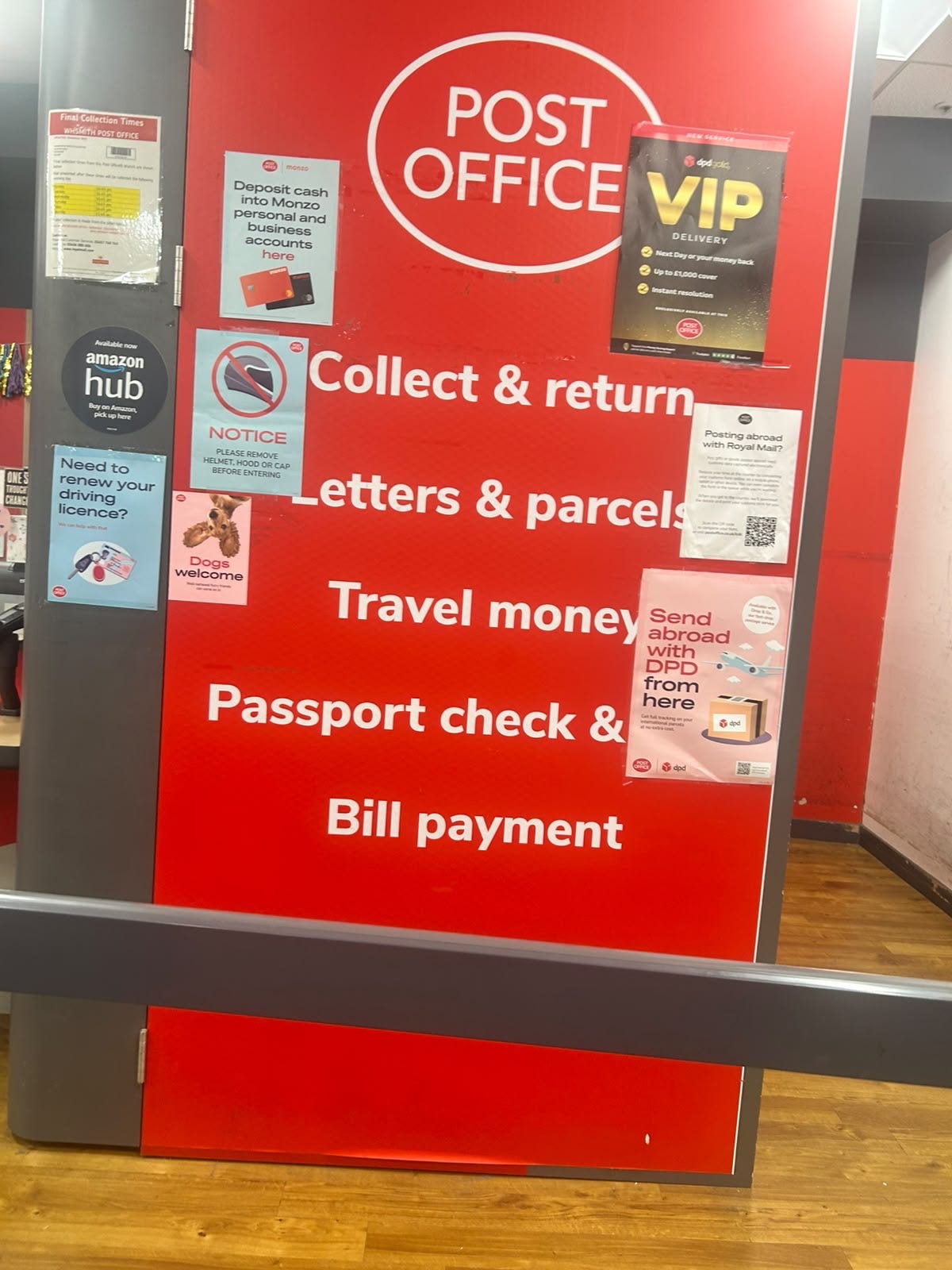
Take, for example, this beautiful sight at an in-town Post Office branch. It’s fair to say they have communicated.
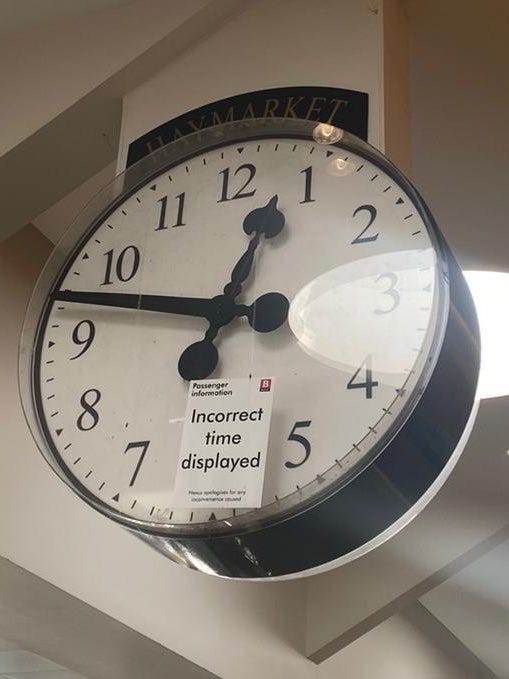
Or this sign on the clock, admittedly helpfully showing the clock isn’t working, but also drawing attention to the fact that no-one has bothered to fix the clock (whereas they have bothered to design and print a customer-made sticker).
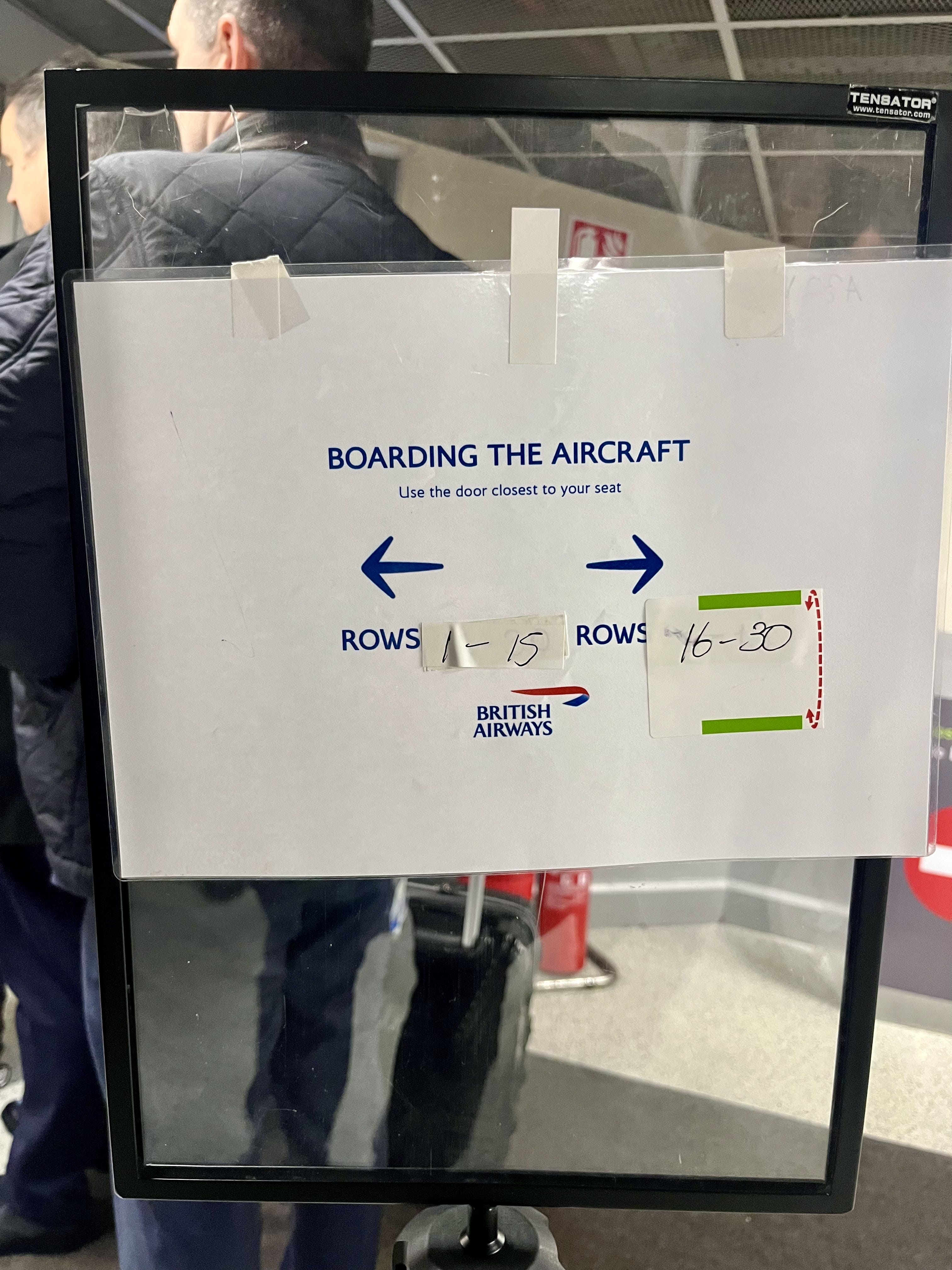
I also enjoyed this sign at the airport recently, from a company that spends a huge amount on it’s branding and brand awareness, only for the passengers to be greeted by this locally printed, laminated, and taped up sign – placed in a frame with totally different dimensions.
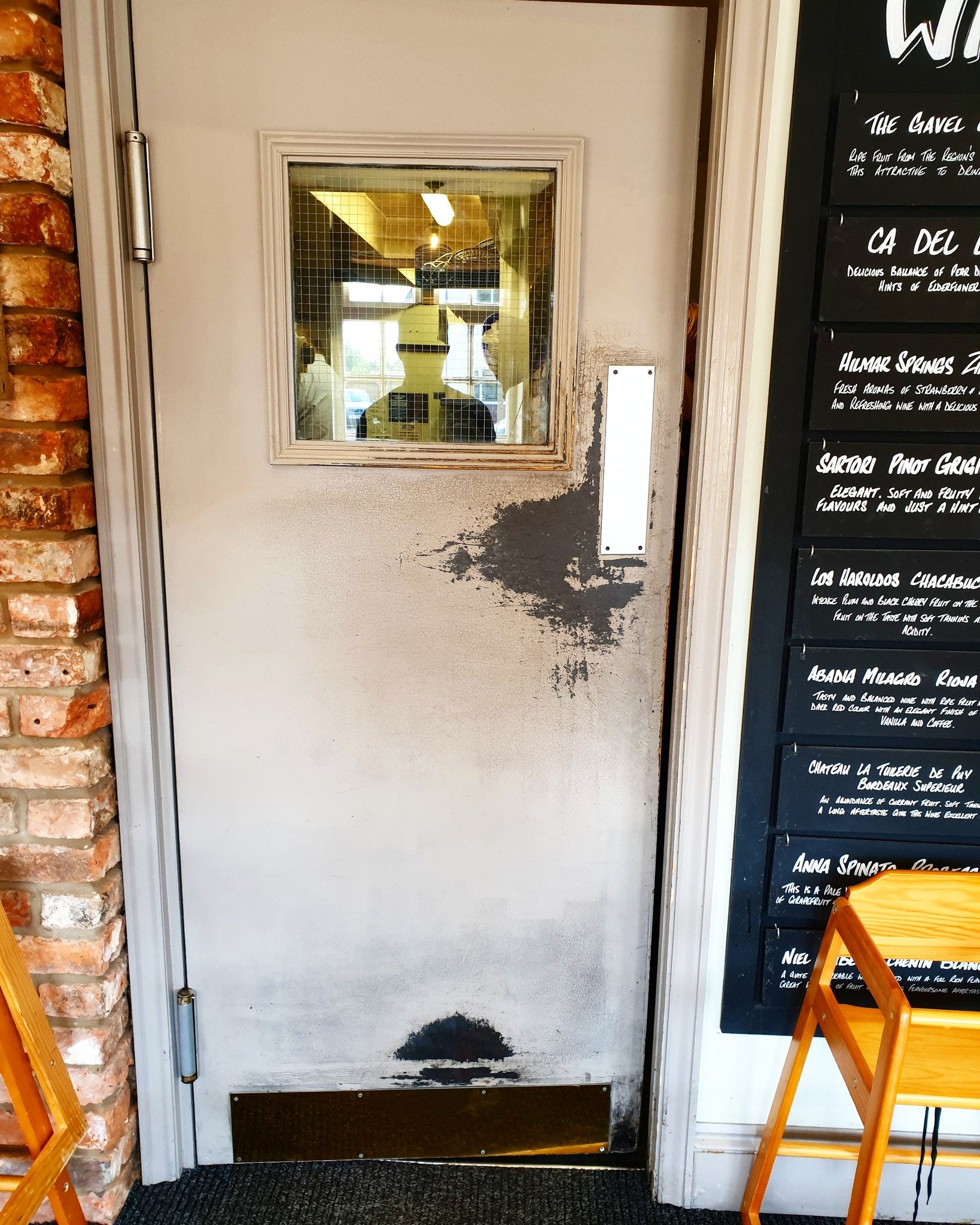
And sometimes, these failures reveal where humans behave in a different way than anticipated. Where do you think people are putting their hand (or shoulder / hip if carrying food) on this door?
On their own, TNT’s won’t win an organisation customers. But paying attention to the small things, whilst being great at the ‘moments that matter’ will. The latter relies on having a deep understanding of customers, of the areas the organisation can compete in, of the priority order of delivery. Being good at these might cost money.
But the former, these small moments? They just rely on having observant colleagues, empowered to make a difference, motivated enough to care. The extra cost is next to nothing.
And the memory, like my son’s of our TNT experience? Well, that might stay forever.
Thanks for reading this article, I really hope you enjoyed it. You can subscribe to my monthly newsletter below, find me in picture form on Instagram @johnjsills, or in work mode at The Foundation and LinkedIn.

