You’re reading CX Stories, a newsletter about customer experience innovation. If you want to join the 6000+ lovely people who receive it every month, just click the button below.
The thing about doing what I do is that you spend a lot of time seeing – and being told about – the worst in Customer Experience.
It’s an affliction, really. I can’t get on a train without redesigning the DelayRepay system, receive a feedback survey without wincing, go on holiday without mapping the journey in my head.
I’m SO much fun to live with.
But the upside of living like that is, when I see an experience that’s genuinely great, I really get to celebrate it. And this experience, whilst incredibly simple, is really remarkable.
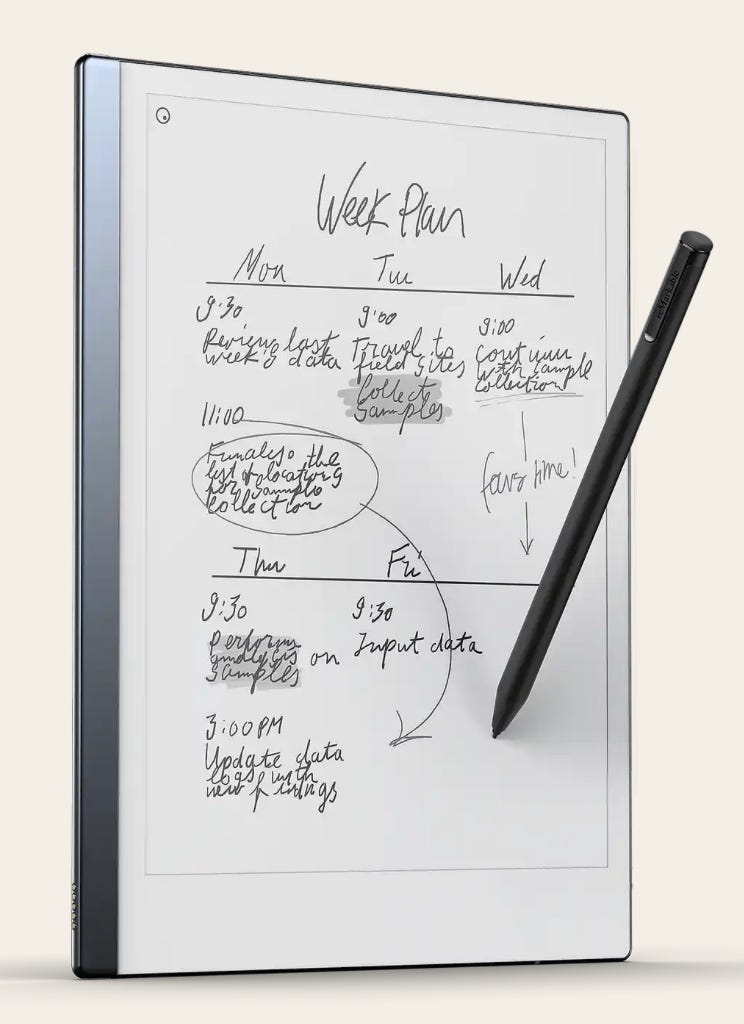
It’s not the first time I’ve written about reMarkable’s superb customer service. They played a bit-part in my epic tale of the Royal Mail in October last year, their device at the centre of a case of mistaken identity, which led to it taking a three-month trip around the world. It’s also not the first time I’ve written about a broken pen, so maybe that’s the Venn diagram that creates the conditions for a perfect experience.
This story has no such highs and lows. I’ve had my reMarkable for quite a while – maybe four years – and the pen just as long. This isn’t any ordinary pen, though. Because of the way the device works, these pens are really rather special, and really rather expensive.
So, I wasn’t delighted to see the plastic casing fall off, and the nib start to bend at funny angles.
With that trepidation we all feel when we’re going to have to ask a company for help, I went to their website to get support.
Underneath the usual FAQs, I managed to find the Contact Us link. No searching the footnotes of the page, no clicking in several places to try and find a hidden button. It was just… there. Ready to be used.
Even more surprisingly, when I clicked on the link, it took me to a page where you could, well, contact them. Not a further list of FAQs, or an endless loop of ‘tell us your problem and we’ll try and solve it before letting you speak to someone’. An actual page where you could choose to email them (with a timeline set), chat with their AI agent, or chat with a human.
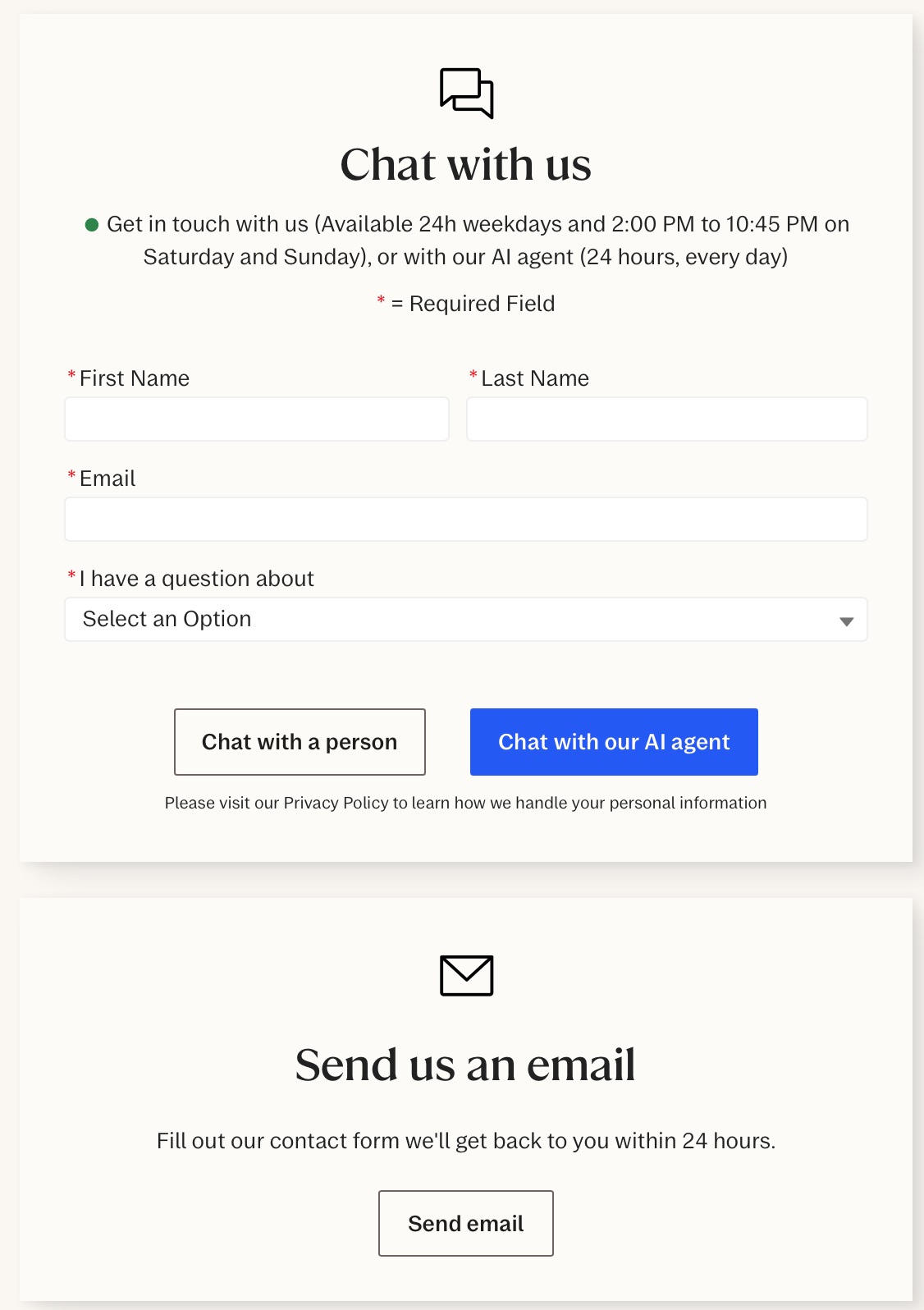
I clicked the human option (of course), and prepared to wait for a while. Twenty seconds later, I was chatting to one of the team.
The usual stuff – name, postcode, address – was dealt with quickly. Do I still have my order number from four years ago? I don’t. Never mind, we’ll use your email. Could you tell me what the problem is? Ok, got that, give me a minute.
Then the big question – is my pen still covered? Well, it’s been a while but it’s an expensive device and we expect it to last so, yes, it is. And I’ve already raised the return request for you.
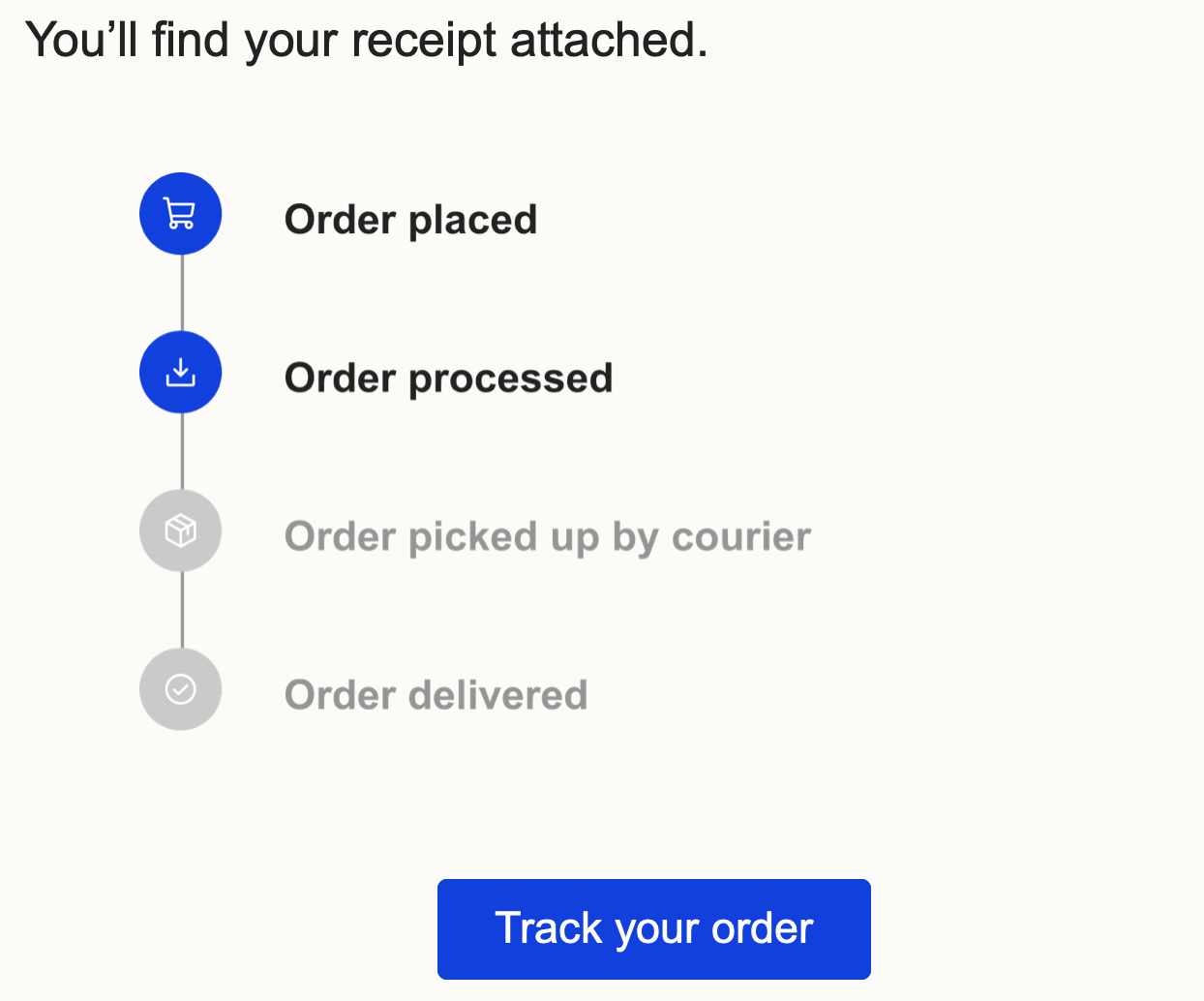
And that was it. By the time I ended the chat – not even enough time to watch the iPlayer highlights of England’s famous victory against Norway – I had an email in my inbox confirming the conversation, and another saying the order was being processed, with clear steps and a tracking link to check the timelines.
You see, there’s no secret to great customer experience. Most of the time, it really is just doing some of the most basic, most human things right.
Being accessible, easy to get in touch with.
Being responsible, taking ownership of the issue.
Being respectful, of my time, of the money I’ve spent.
And as always, whilst this is good for the customer, it’s good for the company.
Because there are no protracted chats or calls. No complaints to deal with, or frustrated customers when they do finally get through. And a little bit more added to the fabric of the relationship, making it more likely I’ll recommend and buy from them again.
When you break it down, it’s really not that remarkable.
But unfortunately, it is fairly rare.
Thanks for reading this article, I really hope you enjoyed it. You can subscribe to my monthly newsletter below, find me in picture form on Instagram @johnjsills, or in work mode at The Foundation and LinkedIn.

