You’re reading CX Stories, a newsletter about customer experience innovation. If you want to join the 6000+ lovely people who receive it every month, just click the button below.
CX Stories is written by me, John Sills, author of The Human Experience and Senior Partner at The Foundation. We work with companies around the world to achieve customer-led growth, helping to build strategies, create propositions and design experiences that keep customers coming back. If you’d like to talk, do get in touch.
Two weeks ago, in a Premier League match between Liverpool and Arsenal, this happened. And the (online) world went mad.
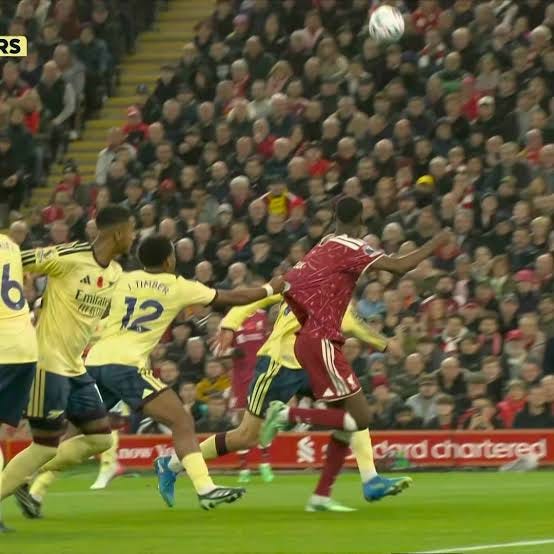
Don’t worry, this isn’t going to be a rant about the inadequacies of VAR. I mention it, because I think it tells us something about the importance of organisations understanding what matters to their customers.
If you’re not a football fan, let me bring you up to speed. Liverpool vs Arsenal is one of the biggest matches of the season (in fact, it was the first ever match on Match of the Day in 1964), and Arsenal – reigning Premier League champions – hadn’t won at Liverpool’s ground in 14 years.
Around the 21st minute, a cross comes in, Alexander Isak jumps to head it, and Jurriën Timber grabs a fist-full of his shirt. The ref on the pitch says no penalty. It goes to VAR to check, they also say no penalty. I, as an Arsenal fan, say no penalty.
As you can imagine, this decision didn’t go down well with Liverpool fans – especially as they were 1-0 down at the time.
The whistle goes, the match ends, and that’s that.
Except, it isn’t. Because a few days later, the ‘Key Match Incidents Panel’ meet to decide if it was a penalty or not (without any actual power to change the result). They vote 3-2 that it should have been a penalty. And everyone online gets angry again.
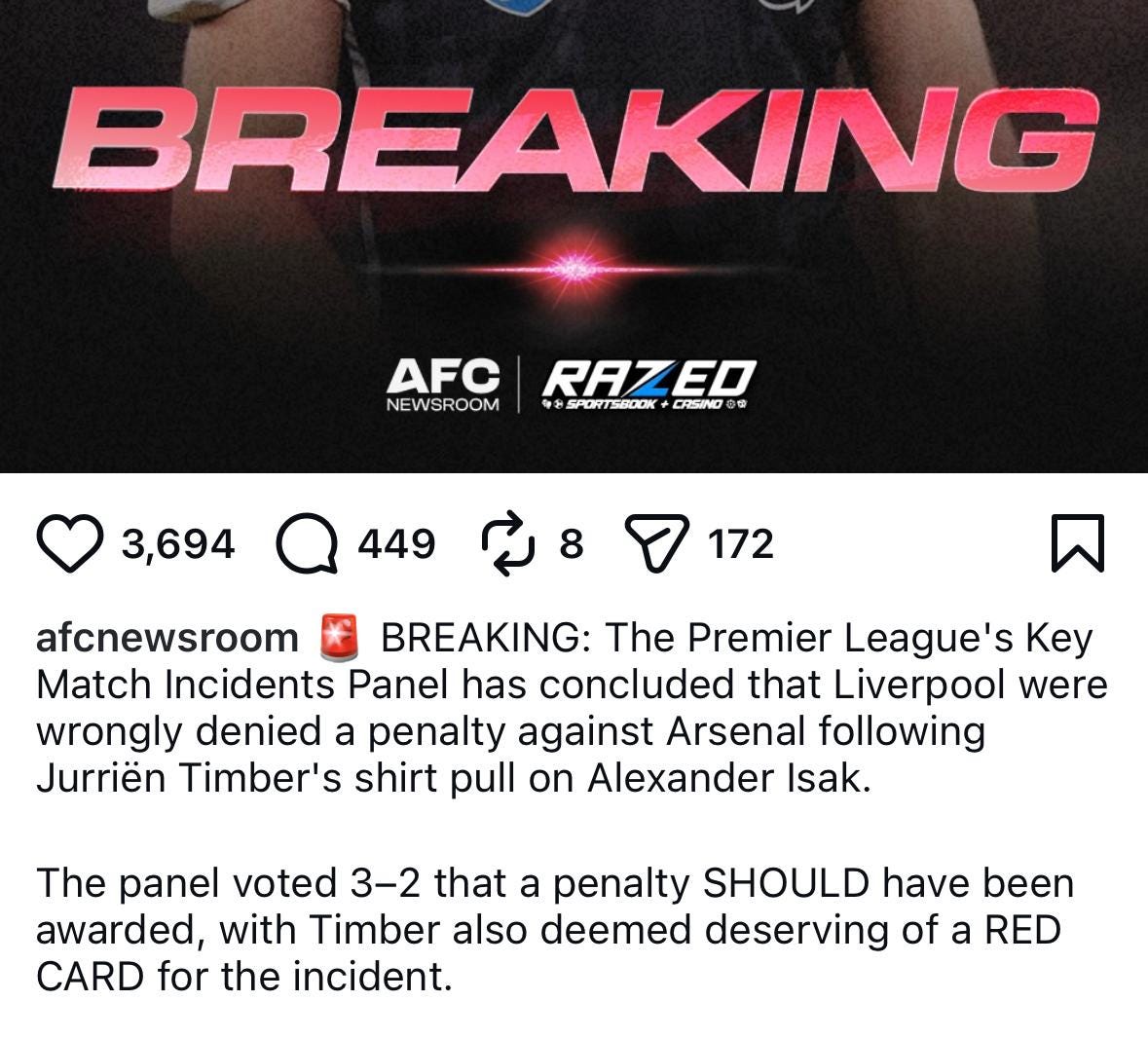
This isn’t actually about whether it’s a penalty or not (it probably is). It’s about whether those in charge have forgotten that the point of football isn’t to have a match that precisely conforms to the laws of the game. It’s to be entertaining.
I wrote about this a few years ago in my book:
While functionally improving the accuracy of decisions throughout the game, VAR stripped away the humanity inherent in the sport. It has created progress in one sense, but, like customer experience, has done so while sacrificing some of the more pleasurable aspects of the sport.
My point there was more about how VAR had ruined the matchday experience, and how it feels like football is succumbing to the same seemingly-rational-but-actually-totally-irrational behaviours we see in many organisations.
Leaders start to see the world from the inside-out, more focused on their objectives – and those of their shareholders – than what really matters to the people they serve. They find it hard to step away from sunk costs, feeling the need to see through a previously bad decision regardless of its success. They presume their customers will stay loyal, taking them for granted.
And crucially, they forget that their measures shouldn’t become targets, that things like NPS are an indication of performance, not the actual aim of the business.
In football, the outcomes are pretty clear: people want to be entertained, they want some emotional highs and lows, they want to feel something, as if they’re watching a play, a gig, or a comedy routine. And yes, it feels rubbish if the referee makes a mistake, but they’re human – just like the players who frequently make mistakes – and their involvement is part of the narrative of the match.
So, whilst the percentage of ‘correct’ decisions may have improved, the match day experience has got worse, and people still argue relentlessly about referees. The real outcome of entertaining fans in the stadium is being missed.
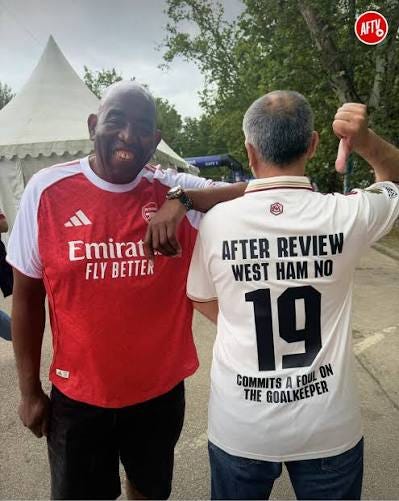
But here’s the thing. Maybe I’m doing the football authorities a disservice. Maybe they have done the strategic thinking. And maybe I’m not who they’re designing for.
Because far more people watch football on television than in the stadiums, and for them, the VAR experience is gripping reality TV.
They see the replays as the commentator builds the tension, like a classic X Factor pause before the reveal of who’s going home this week. As they’re at home or in the pub, they second-screen, watching the arguments rage on social media, or debate with their friends. And with the post-match panel, fans are kept engaged and enraged long after the final whistle, the sport staying front of mind.
Ultimately, whether it’s small businesses, big corporates, or sporting brands, the same rules apply: know who your customers are and the outcomes they want, design around those outcomes, and measure how well you’re delivering them.
If organisations do that, they might win a few more customers. But if they become obsessed by their functional measures over real customer outcomes, they shouldn’t be surprised if they find themselves relegated.
Thanks for reading this article, I really hope you enjoyed it. You can subscribe to my monthly newsletter below, find me in picture form on Instagram @johnjsills, or in work mode at The Foundation and LinkedIn.

